
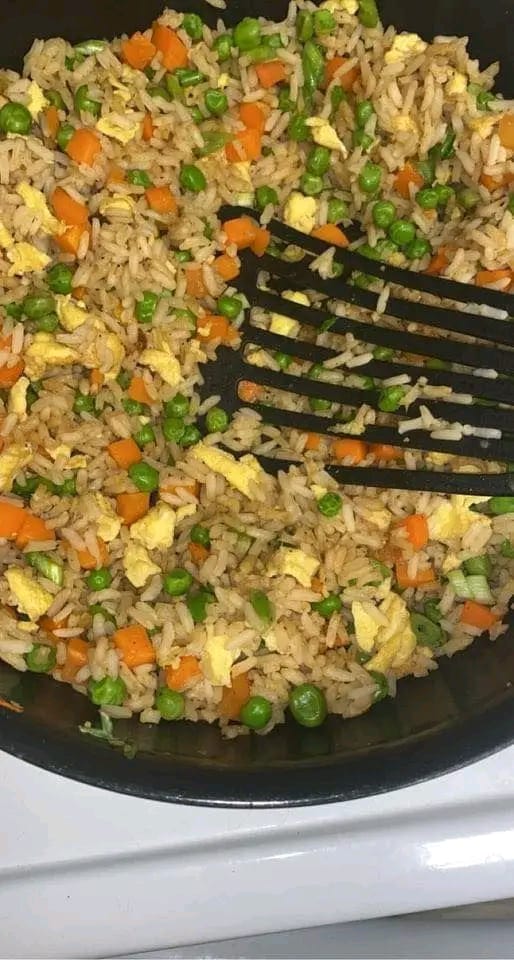
Better Than Takeout Fried Rice
Introduction
If you’ve ever craved the savory, satisfying flavors of fried rice from your favorite takeout spot, this Better Than Takeout Fried Rice recipe is your ultimate solution. Packed with juicy chicken, crisp vegetables, and perfectly seasoned rice, this dish is not only easy to make at home, but it also surpasses takeout with its freshness, texture, and customizable flavor. Whether you’re cooking for a weeknight dinner or a special gathering, this fried rice recipe delivers every time.
Ingredients and Their Roles
- 4 cups cooked rice: Using day-old rice ensures the grains stay separate and absorb flavors without turning mushy. This is the secret to achieving that restaurant-quality texture.
- ½ lb chicken thighs, cut into small pieces: Thighs are juicier and more flavorful than breasts, holding up well under high heat while remaining tender.
- 1 cup mixed frozen vegetables: Peas, carrots, and corn provide natural sweetness, vibrant color, and satisfying crunch. Frozen vegetables are convenient and maintain texture when stir-fried.
- 1 cup chopped onion: Adds aromatic depth and natural sweetness, forming the foundational flavor layer of the fried rice.
- 2 cloves garlic, minced: Garlic imparts a warm, savory aroma and enhances the overall flavor profile.
- 2 large eggs: Eggs provide protein and a soft, custard-like texture, enriching the rice and helping bind ingredients together.
- 3 tablespoons soy sauce: Adds umami, saltiness, and depth of flavor, creating the signature savory profile of fried rice.
- 1 teaspoon sesame oil: Imparts a toasty, nutty aroma that elevates the dish and gives it a professional touch.
- Salt and pepper to taste: Enhances all flavors, ensuring the dish is perfectly seasoned without overpowering the other ingredients.
Step-by-Step Instructions
Step 1: Prepare the Rice and Ingredients
Make sure your rice is cold and slightly dried out for perfect texture. Chop the chicken into bite-sized pieces and have your vegetables, onion, and garlic prepped. This mise en place ensures smooth cooking without delays.
Step 2: Cook the Chicken
Heat a large wok or skillet over medium-high heat. Add a small amount of oil and cook the chicken pieces until golden brown and fully cooked. Remove from the pan and set aside to prevent overcooking while you stir-fry other ingredients.
Step 3: Sauté the Aromatics
Add a touch more oil if needed. Sauté chopped onions and minced garlic until fragrant, about 2–3 minutes. This step builds the foundational flavors and infuses the oil, which will coat the rice evenly.
Step 4: Scramble the Eggs
Push the onions and garlic to one side of the pan. Add beaten eggs and scramble gently until just set. The eggs should remain soft and slightly creamy to incorporate well with the rice.
Step 5: Add the Rice
Add the cold, cooked rice to the pan, breaking up any clumps with a spatula. Toss the rice with the eggs, onions, and garlic until evenly coated. Using cold rice prevents sogginess and ensures that each grain stays separate and fluffy.
Step 6: Incorporate Vegetables and Chicken
Return the cooked chicken to the pan along with the frozen vegetables. Stir-fry over medium-high heat for 3–5 minutes until the vegetables are heated through and retain a slight crunch. This maintains the vibrant color and texture, giving the fried rice a fresh, restaurant-quality appeal.
Step 7: Season the Rice
Drizzle the soy sauce evenly over the rice while stirring continuously to ensure all grains are coated with flavor. Add a few drops of sesame oil for a nutty aroma. Taste and season with salt and black pepper as needed. The soy sauce and sesame oil create the iconic umami profile of fried rice.
Step 8: Achieve the Perfect Texture
To mimic takeout-style wok flavor, let the rice sit in the pan without stirring for a minute or two. This slight browning, also known as “wok hei,” adds a subtle toasted flavor that elevates the dish. Stir occasionally to prevent burning while maintaining those lightly crisped grains.
Step 9: Final Stir and Adjustments
Give the fried rice a final toss to distribute ingredients evenly. Check seasoning one last time. If desired, add a dash of soy sauce or a few extra drops of sesame oil for enhanced depth. This step ensures that every bite has a balanced combination of savory chicken, vegetables, and fluffy rice.
Pro Tips for Perfect Fried Rice
- Always use day-old rice or refrigerate freshly cooked rice for at least a few hours. Moist rice will clump and create a mushy texture.
- Cut all ingredients uniformly so everything cooks evenly and creates a consistent bite.
- Cook in batches if necessary. Crowding the pan steams ingredients rather than stir-frying them, reducing flavor and texture.
- Add eggs after sautéing aromatics for better integration and to prevent overcooking.
- For extra flavor, sprinkle a little toasted sesame seeds or chopped green onions just before serving
Step 10: Incorporate Optional Add-Ins
For a customized twist, consider adding optional ingredients such as diced bell peppers, chopped green onions, or sliced mushrooms. These add extra flavor, color, and nutrition. Add them after the vegetables have warmed through so they maintain a pleasant texture and don’t overcook.
Step 11: Adjust Flavors
Taste your fried rice and make any adjustments. If you prefer a slightly sweeter profile, add a teaspoon of hoisin sauce or a drizzle of oyster sauce. For more heat, sprinkle crushed red pepper flakes or a few drops of sriracha. This flexibility allows you to tailor the fried rice to your personal preference or match the flavors you love from your favorite takeout spot.
Step 12: Garnishing for Presentation
Presentation is important, even for comfort food. Sprinkle chopped green onions, toasted sesame seeds, or even finely chopped fresh cilantro over the top just before serving. These garnishes not only add visual appeal but also layers of fresh flavor that elevate the dish.
Step 13: Serving Suggestions
Serve your fried rice hot straight from the pan for the best texture. Pair it with crispy spring rolls, steamed dumplings, or a simple stir-fried vegetable side for a complete meal. This dish can also be served as a standalone dinner, especially when loaded with protein and vegetables.
Step 14: Storage and Reheating
Store leftover fried rice in an airtight container in the refrigerator for up to 3 days. When reheating, sprinkle a little water over the rice and stir while warming to restore moisture. For the best results, reheat in a skillet over medium heat to maintain that slightly crisp texture rather than using the microwave, which may make it soggy.
Pro Tips for Takeout-Level Results
- Use high heat when stir-frying to achieve slight browning on the rice, which mimics wok-cooked flavor.
- Cook ingredients separately if needed to maintain proper texture, then combine just before finishing the dish.
- Add fresh herbs at the end rather than during cooking to preserve their bright flavors.
- Don’t overcrowd the pan. Cooking in smaller batches ensures proper caramelization and flavor development.
- Let the rice rest for a few minutes after cooking before serving; this allows flavors to meld.
Step 15: Enhancing Umami Flavor
To give your fried rice that classic, deep umami taste, add a splash of soy sauce or tamari during the final stir-fry stage. For a richer, more complex flavor, try adding a teaspoon of fish sauce or a pinch of MSG. These small additions can make a huge difference, giving the rice that authentic takeout taste that keeps people coming back for more.
Step 16: Incorporating Eggs Properly
Eggs are an essential component of fried rice, adding richness and texture. For perfect scrambled eggs, push the rice to the side of the pan after your vegetables are cooked. Pour lightly beaten eggs into the empty space, gently scramble until just set, and then fold them into the rice. This method ensures eggs remain soft and fluffy rather than overcooked or rubbery.
Step 17: Protein Layering
If you’re adding protein such as shrimp, chicken, or tofu, cook it separately first. This prevents overcrowding in the pan and ensures even cooking. Add your protein back into the rice at the final stage, allowing it to absorb some of the soy sauce or seasoning while keeping its texture intact.
Step 18: Aromatics and Seasoning
Ginger and garlic are classic aromatics that elevate fried rice. Add freshly minced garlic and ginger toward the end of the stir-fry process to avoid burning, releasing their full aroma and flavor. Additionally, sprinkle freshly cracked black pepper or a pinch of white pepper to enhance the overall depth of the dish.
Step 19: Balancing Flavors
Taste your fried rice before serving. Adjust seasoning by adding more soy sauce, salt, or a drizzle of sesame oil. A small squeeze of lime juice or rice vinegar can add a subtle brightness to balance the richness of the dish. Balancing sweet, salty, and savory notes ensures a harmonious and crave-worthy fried rice experience.
Step 20: Serving and Presentation
Serve your fried rice immediately on a large platter or in individual bowls. Garnish with sliced green onions, sesame seeds, or fresh cilantro for an attractive and flavorful presentation. Pair it with stir-fried vegetables, egg rolls, or a simple soup to create a complete and satisfying meal that rivals your favorite takeout restaurant.
Additional Pro Tips
- Use a wide pan or wok to allow even cooking and easy tossing of rice.
- Keep all ingredients prepped and within reach before starting the stir-fry; high-heat cooking is fast!
- For extra texture, toast the rice slightly before adding the liquid seasonings.
- Don’t add too much sauce at once; it can make the rice soggy. Add gradually and taste as you go.
- Leftover fried rice can also be transformed into stuffed peppers, omelets, or stir-fry bowls for versatile meals.
Step 21: Final Flavor Boost
Once all the ingredients are combined, give your fried rice a final taste test. A drizzle of toasted sesame oil at this stage adds a nutty aroma and richness that elevates the dish. For extra heat, sprinkle a small amount of chili flakes or drizzle Sriracha. This step ensures your fried rice has depth, complexity, and a touch of personalized flair.
Step 22: Texture Optimization
Achieving the perfect texture is crucial for fried rice. The grains should remain separate and slightly firm, not mushy. If your rice is clumping, gently break apart the grains using a spatula while stir-frying. Cook over high heat to allow slight toasting for a light, crisp finish that contrasts beautifully with soft vegetables and tender protein.
Step 23: Garnishing like a Pro
Presentation matters. Garnish with freshly chopped green onions, cilantro, or a sprinkle of toasted sesame seeds. These simple additions not only enhance the visual appeal but also add extra flavor layers. A wedge of lime or lemon on the side can provide a bright, refreshing contrast that awakens your taste buds.
Step 24: Serving Suggestions
Serve your fried rice hot, straight from the wok or skillet. It pairs wonderfully with stir-fried vegetables, grilled meats, or as a side for Asian-inspired dishes like dumplings and spring rolls. For a family-style meal, serve in a large bowl, allowing everyone to help themselves, creating a warm, communal dining experience.
Step 25: Storage and Reheating
Leftover fried rice can be refrigerated for 3-4 days or frozen for up to 2 months. When reheating, use a skillet over medium heat with a small splash of water or broth to restore moisture. Avoid microwaving for best results, as the rice can dry out. Reheating on the stove helps preserve the texture and flavor of freshly cooked fried rice.
Step 26: Tips for Perfect Takeout-Style Fried Rice Every Time
- Always use cold, day-old rice for the best texture.
- Cook ingredients separately if necessary to maintain individual flavors and textures.
- High heat is essential for stir-frying; preheat your wok or skillet thoroughly.
- Layer flavors: add soy sauce, sesame oil, aromatics, and seasonings gradually.
- Keep ingredients bite-sized and evenly chopped for consistent cooking.
- Adjust seasoning to taste at the end to balance salty, savory, and sweet notes.
Final Thoughts
This fried rice recipe combines convenience, flavor, and versatility to create a dish that rivals any takeout. By carefully layering ingredients, balancing seasonings, and mastering stir-fry techniques, you can enjoy restaurant-quality fried rice in your own kitchen. Perfect for weeknight dinners, meal prep, or a satisfying side, this recipe is a guaranteed crowd-pleaser. Master these techniques, and you’ll find yourself making this dish over and over again for family and friends.