
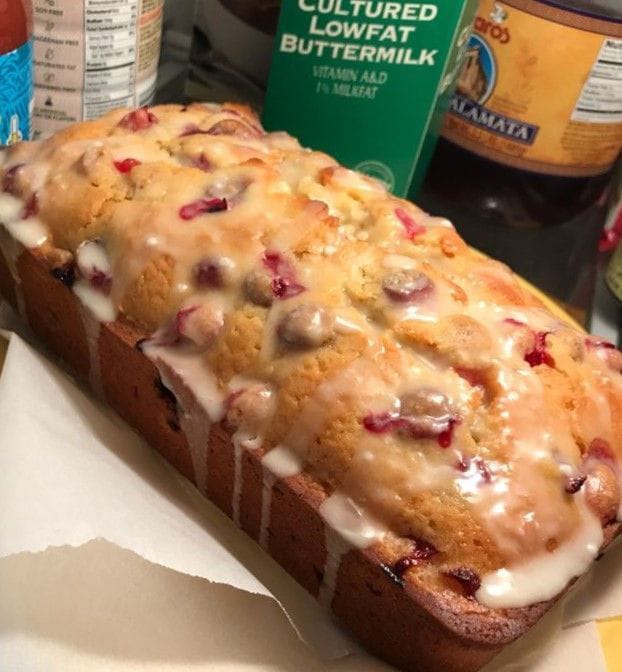
Cranberry Orange Bread with Simple Glaze
This Cranberry Orange Bread is a delightful treat that combines the tartness of fresh cranberries with the bright, zesty flavor of orange. Perfect for breakfast, brunch, or as an afternoon snack, this bread offers a soft, tender crumb with a sweet and tangy twist. The simple glaze enhances its flavor, making every slice irresistibly moist and flavorful.
Ingredients and Their Role
- 1 1/2 cups + 1 tablespoon all-purpose flour: Forms the structure of the bread while keeping it soft and tender. The flour ensures a light crumb without being dense.
- 2 teaspoons baking powder: Acts as the leavening agent, helping the bread rise to a light and airy texture while maintaining a uniform shape.
- 1/2 teaspoon kosher salt: Balances the sweetness of the sugar and enhances the natural flavors of cranberries and orange zest.
- 1 cup plain whole-milk yogurt: Adds moisture and a subtle tang, preventing the bread from drying out. Yogurt also contributes to a tender crumb.
- 1 cup sugar: Sweetens the bread while enhancing the tartness of cranberries and bright citrus flavor of orange zest.
- 3 large eggs: Provide structure and richness, ensuring the bread holds together while adding a soft, silky texture.
- 2 teaspoons grated orange zest: Infuses the bread with vibrant citrus flavor, enhancing both aroma and taste.
- 1/2 teaspoon pure vanilla extract: Adds warmth and depth, rounding out the flavors of the bread.
- 1/2 cup vegetable oil: Keeps the bread moist and tender, preventing dryness and adding a slight richness without overpowering the citrus flavor.
- 1 cup fresh or frozen cranberries: Provide tartness and texture, creating pockets of bright flavor throughout the bread.
Every ingredient in this recipe has been carefully chosen to create a harmonious balance of sweet, tart, and tangy flavors, resulting in a bread that is both tender and full of character. From the creamy richness of yogurt to the burst of citrus from the zest, each slice offers a delightful sensory experience that keeps you coming back for more.
Cranberry Orange Bread – Preparation and Baking
Now that we understand the ingredients, it’s time to bring them together to create a perfectly tender and flavorful Cranberry Orange Bread. This step-by-step guide will ensure that each loaf comes out moist, fragrant, and beautifully textured.
Step 1: Preheat and Prepare Your Pan
Begin by preheating your oven to 350°F (175°C). Choose a standard 9×5-inch loaf pan for optimal results. Lightly grease it with butter or non-stick cooking spray, then line with parchment paper for easy removal after baking. Preparing the pan properly is key to achieving a clean, intact loaf.
Step 2: Combine Dry Ingredients
In a large mixing bowl, sift together the flour and baking powder. This ensures that there are no lumps and helps the bread rise evenly. Add the kosher salt and whisk to distribute it uniformly. This creates a solid base for the wet ingredients to blend with, ensuring a consistent texture throughout the loaf.
Step 3: Mix Wet Ingredients
In a separate bowl, whisk together yogurt, sugar, eggs, orange zest, vanilla extract, and vegetable oil. Whisking well ensures that the eggs and sugar dissolve evenly, creating a smooth, homogenous mixture. The orange zest releases essential oils, which add fragrance and flavor. By combining the eggs and yogurt first, we prevent any clumping when the flour is added.
Step 4: Incorporate Wet and Dry Ingredients
Gradually add the dry ingredients to the wet mixture, stirring gently with a spatula. Avoid overmixing, as this can develop gluten in the flour, making the bread tough. The goal is a batter that is just combined—slightly thick but pourable. Take your time to fold the ingredients carefully, ensuring even distribution of flour and baking powder throughout the batter.
Step 5: Fold in Cranberries
Once the batter is smooth, gently fold in the fresh or frozen cranberries. Use a spatula to distribute them evenly without crushing them. The cranberries add bursts of tartness in every bite and contrast beautifully with the sweet, citrusy batter. If using frozen cranberries, do not thaw them beforehand to prevent bleeding their color into the entire batter.
Step 6: Pour into Pan
Transfer the batter carefully into your prepared loaf pan. Use a spatula to smooth the top, ensuring it is evenly distributed. Tapping the pan gently on the counter helps remove air bubbles and allows the batter to settle. This step ensures an even rise and a uniform texture throughout the bread.
Step 7: Bake
Place the pan in the preheated oven and bake for 50–60 minutes, or until a toothpick inserted in the center comes out clean. During baking, the aroma of orange and cranberry will fill your kitchen, signaling the bread is approaching perfection. Avoid opening the oven too frequently, as this can cause the loaf to sink in the middle.
Pro Tips
- For extra flavor, lightly toast the cranberries in a dry pan for 1–2 minutes before folding them in.
- Use a digital thermometer to check for doneness; the internal temperature should be around 200°F (93°C).
- If desired, sprinkle a bit of sugar on top before baking for a subtle crunchy finish.
Following these steps carefully ensures a loaf that is not only visually appealing but also tender, moist, and bursting with citrus and cranberry flavor. Each bite melts in your mouth, creating a perfect harmony of sweet, tart, and aromatic notes.
Cranberry Orange Bread – Glaze, Serving, and Storage
Step 8: Prepare the Simple Glaze
While the bread is cooling, it’s time to prepare a simple yet elegant orange glaze to enhance both flavor and appearance. In a small bowl, combine:
- 1 cup powdered sugar
- 2–3 tablespoons fresh orange juice (adjust for desired consistency)
- 1 teaspoon finely grated orange zest (optional for extra citrus aroma)
Whisk the mixture until smooth and slightly thick, but still pourable. The glaze should not be too runny, or it will slide off the bread. Adding zest elevates the fragrance, giving a fresh burst with each slice.
Step 9: Glazing the Bread
Once the loaf is cooled completely (at least 30–40 minutes), transfer it to a wire rack set over a baking sheet to catch any drips. Using a spoon or a small whisk, drizzle the glaze evenly across the top of the bread. You can create thin lines for a delicate look or generous coating for a more decadent finish. Allow the glaze to set for 15–20 minutes before slicing.
Step 10: Presentation and Serving Tips
To showcase your Cranberry Orange Bread, place it on a decorative serving plate. You may garnish with additional orange zest or a few fresh cranberries for visual appeal. Slice into even pieces for uniform serving. This bread pairs exceptionally well with:
- Butter or cream cheese spread for extra richness
- Hot coffee, tea, or freshly squeezed orange juice
- Whipped cream for an indulgent treat
The combination of tender, moist bread with the citrus glaze makes each bite a balance of sweet, tart, and aromatic flavors.
Step 11: Storage Tips
Proper storage ensures your bread remains fresh and flavorful for several days. Wrap the loaf tightly in plastic wrap or aluminum foil, then place in an airtight container. Store at room temperature for up to 3 days, or refrigerate for up to a week. For longer storage, you can freeze slices individually, separating each with parchment paper, and thaw as needed. This method preserves both texture and flavor.
Step 12: Flavor Enhancement and Expert Tips
- Add a teaspoon of vanilla extract or almond extract to the glaze for added depth.
- Lightly toast the cranberries before folding into the batter for intensified flavor and reduced moisture.
- For a decorative touch, lightly dust powdered sugar over the glazed loaf.
- Use room temperature eggs and yogurt to ensure smooth, uniform batter without clumps.
- Experiment with adding finely chopped nuts like pecans or walnuts for added texture.
By following these steps, you’ll have a visually stunning loaf with layers of flavor and a soft, moist texture that lingers with every bite. The simple glaze complements the citrus notes beautifully while maintaining a delicate sweetness.
This stage of preparation is crucial, as the finishing touches—the glaze, garnishes, and proper storage—determine how your Cranberry Orange Bread is enjoyed over the next several days. Paying attention to these details elevates the bread from simple home baking to a visually appealing, gourmet-level treat.
Step 13: Boosting Citrus Flavor
For an intensified orange aroma, zest the orange before juicing. The zest contains essential oils that are more aromatic than juice alone. For a layered flavor experience, fold a teaspoon of finely grated orange zest into the batter in addition to the juice already used. Optionally, a few drops of orange extract can complement the natural citrus notes, creating a professional bakery-like flavor.
Step 14: Cranberry Tips
For perfectly distributed cranberries, toss them lightly in flour before folding into the batter. This prevents them from sinking to the bottom and ensures even flavor in every slice. You can also use a combination of dried and fresh cranberries to balance tartness and moisture. For extra texture, consider chopping larger berries slightly.
Step 15: Baking Perfection
Oven temperature is critical. Preheat to 350°F (175°C) and use the middle rack to promote even baking. Avoid opening the oven door frequently, as this can cause uneven rising and cracks. Test doneness by inserting a toothpick in the center; it should come out clean or with a few moist crumbs. To prevent over-browning, cover the top with foil during the last 10–15 minutes if needed.
Step 16: Creative Serving Ideas
This versatile bread can be served in multiple ways:
- Toast slices lightly and spread with cream cheese or butter for breakfast or brunch.
- Cut into small squares and serve as part of a dessert platter with a drizzle of chocolate or caramel sauce.
- Pair with a hot beverage—orange-flavored tea or spiced coffee enhances the citrus notes.
- Add fresh fruit garnishes or edible flowers for festive occasions, making it a centerpiece at gatherings.
Step 17: Presentation Tips for Entertaining
For a sophisticated look, serve slices on a long, narrow platter with a light dusting of powdered sugar or a drizzle of glaze in a zigzag pattern. Small sprigs of fresh mint or thyme complement both the citrus aroma and visual appeal. This attention to detail impresses guests while keeping the bread approachable and homey.
Step 18: Advanced Flavor Layering
Incorporate spices such as cinnamon, nutmeg, or cardamom for subtle warmth that pairs beautifully with cranberries and orange. Begin with 1/4 teaspoon of each spice, adjusting to taste. This adds depth without overpowering the primary citrus flavor. For added luxury, fold in finely chopped toasted nuts like almonds or pecans, which enhance texture and provide a nutty contrast to the soft crumb.
Step 19: Enhancing Moisture and Texture
Using yogurt or buttermilk keeps the bread moist and tender. Room temperature ingredients blend more evenly, preventing dense spots. Avoid overmixing once the flour is added to maintain a light, fluffy crumb. Lightly greasing the pan and lining with parchment ensures easy removal and clean edges.
Step 20: Storage and Make-Ahead Tips
Prepare the loaf a day in advance to allow flavors to meld. Wrap tightly in plastic wrap or foil, then store at room temperature or refrigerate. For gifting, slice the bread and wrap each slice individually, tied with a ribbon for a charming presentation. Freezing slices is also an option for future indulgence, ensuring the bread remains soft and flavorful.
By incorporating these professional tips, your Cranberry Orange Bread transforms from a simple homemade loaf to a refined, multi-dimensional treat. Each slice boasts a balance of tart cranberries, aromatic orange, tender crumb, and optional spice layers that delight every palate.
Step 21: Perfect Glaze for Extra Shine
For a professional finish, prepare a simple glaze by whisking together 1 cup powdered sugar, 2–3 tablespoons fresh orange juice, and 1 teaspoon vanilla extract. Drizzle the glaze over the cooled loaf using a spoon or piping bag for a smooth, elegant look. This glaze not only enhances presentation but also adds a bright, citrusy sweetness to complement the tart cranberries.
Step 22: Creative Toppings
Consider sprinkling finely chopped toasted nuts such as almonds, walnuts, or pecans over the glaze before it sets. This adds both texture and visual appeal. For festive occasions, a light dusting of powdered sugar can mimic a snowy effect, making it perfect for holiday tables. You can also gently fold a few candied orange peel pieces into the glaze for bursts of citrus flavor in every bite.
Step 23: Slicing and Serving Tips
Use a serrated bread knife to cut clean, even slices. Warm slices slightly before serving to enhance the aroma and flavor. Arrange on a platter with fresh cranberries or small orange wedges for a visually striking presentation. Serve alongside a cup of hot tea, coffee, or even a spiced latte to elevate the tasting experience.
Step 24: Gifting and Storage Ideas
This loaf makes a thoughtful homemade gift. Slice into individual servings, wrap in parchment or cellophane, and tie with a ribbon or twine. Store remaining bread wrapped tightly at room temperature for up to 3 days, or refrigerate for up to a week. Freezing is also an option; place slices in airtight bags and thaw before serving for freshness and flavor retention.
Step 25: Flavor Enhancements for Experts
For those wanting to elevate the flavor even further, try the following advanced tips:
- Add a pinch of ground cardamom or allspice to the batter for subtle aromatic complexity.
- Fold in a tablespoon of finely chopped crystallized ginger for a spicy-sweet contrast.
- Experiment with brown butter instead of regular vegetable oil to impart a rich, nutty undertone.
- For extra moisture, brush the loaf lightly with an orange syrup after baking (made from orange juice and sugar reduced on the stove).
Step 26: Making it a Showstopper
To impress guests or family, serve the loaf on a decorative platter, garnished with orange zest curls, fresh cranberries, or sprigs of rosemary or thyme. Pairing with whipped cream, mascarpone, or cream cheese frosting elevates this simple bread to a decadent dessert experience. These small touches turn a humble loaf into a centerpiece worthy of celebrations.
Step 27: Recap of Key Tips
Remember these essentials for consistently excellent results:
- Measure flour correctly using the spoon-and-level method to maintain tenderness.
- Room temperature eggs, yogurt, and oil ensure even mixing and smooth texture.
- Do not overmix batter after adding flour to avoid dense bread.
- Use a combination of fresh and dried cranberries for balanced tartness and sweetness.
- Allow the loaf to cool completely before glazing or slicing to prevent smudging and preserve structure.
Step 28: Enjoying Every Slice
Each bite of Cranberry Orange Bread should reveal a soft, tender crumb, speckled with tart cranberries and fragrant orange zest. The delicate balance of sweetness, citrus, and optional spices makes it a treat that feels both homey and sophisticated. Whether served for breakfast, dessert, or afternoon tea, this bread satisfies every occasion, leaving a lasting impression on anyone lucky enough to taste it.
With these finishing touches, creative decorations, and expert tips, your Cranberry Orange Bread becomes more than just a loaf—it’s a versatile, elegant, and delicious masterpiece. Impress your guests, indulge your family, or simply enjoy a slice with your favorite beverage, knowing you’ve mastered a recipe that’s both comforting and extraordinary.