
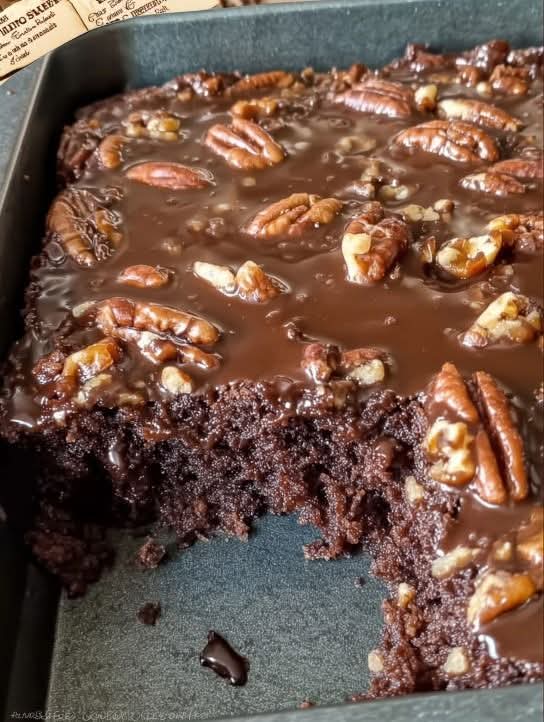
Original Texas Sheet Cake: Ingredients and Their Roles
The Original Texas Sheet Cake is a legendary dessert, renowned for its
incredibly moist texture, rich chocolate flavor, and generous frosting. To achieve a cake
that is tender, flavorful, and indulgent, understanding the purpose of each ingredient is key.
This approach ensures that the cake not only tastes delicious but also has the perfect structure
and consistency.
Dry Ingredients
- All-purpose flour (2 cups): Provides structure to the cake. The gluten
formed when mixed with wet ingredients helps the cake rise and hold its shape, while allowing
for a tender crumb when combined correctly with the other components. - Sugar (2 cups): Adds sweetness, balances the cocoa’s slight bitterness,
and contributes to the moist texture by retaining moisture during baking. - Baking soda (1 tsp): Acts as a leavening agent. When combined with
acidic ingredients like buttermilk, it releases carbon dioxide, which helps the cake rise
and creates a light, airy texture. - Salt (1/2 tsp): Enhances the chocolate flavor and balances the sweetness,
providing depth to the overall taste.
Wet Ingredients
- Buttermilk (1/2 cup for batter, 1/3 cup for frosting): Adds a subtle
tangy flavor while tenderizing the cake. Its acidity reacts with baking soda, helping the cake
rise evenly and stay moist. - Eggs (2 large): Provide structure and stability, while adding richness
and contributing to the cake’s soft, melt-in-your-mouth texture.
Frosting Ingredients
- Butter (1/2 cup): Forms the base of the frosting, adding richness and
creaminess. When combined with cocoa and sugar, it creates a silky smooth topping. - Unsweetened dark cocoa powder (1/4 cup): Delivers deep chocolate flavor
and contributes to the frosting’s dark, decadent color. The quality of cocoa powder greatly
affects the intensity of chocolate taste. - Powdered sugar (2 1/2 cups): Sweetens and thickens the frosting, creating
a smooth, glossy finish that contrasts beautifully with the rich cake underneath. - Vanilla extract (1 tsp): Enhances the chocolate flavor and adds aromatic
depth. - Pinch of salt: Balances the sweetness and highlights the chocolate notes.
- Chopped pecans (1 cup): Optional but adds crunch, nutty flavor, and
visual appeal, giving the sheet cake a signature Texas touch.
Preparation Tips
Before mixing the batter, gather all ingredients at room temperature. Eggs and buttermilk
should be warmed slightly to help them combine smoothly with dry ingredients, preventing
lumps and ensuring even texture. Preheating your oven to the correct temperature (usually
350°F/175°C) ensures the cake bakes evenly from the start. Properly greasing a large sheet
pan or lining it with parchment paper prevents sticking and makes for easier slicing after
baking.
For the cocoa in the batter, choose high-quality dark cocoa powder. Sifting the flour and
cocoa together avoids clumps, providing a uniform mixture that will bake into a tender,
perfectly textured sheet cake. The butter should be melted gradually in a saucepan, combining
smoothly with cocoa, sugar, and liquids for a glossy, rich batter.
Understanding each ingredient’s role helps you make adjustments if needed. For example,
if you want a slightly lighter texture, you can replace a small portion of all-purpose flour
with cake flour. For deeper chocolate flavor, a teaspoon of instant espresso powder in the
batter intensifies the cocoa notes without adding coffee taste.
By taking the time to comprehend how each component works, you set yourself up for baking
success. The cake will rise evenly, remain moist for days, and provide a perfect canvas
for the rich, glossy frosting and crunchy pecans that make this dessert unforgettable.
In the next step, we will cover the actual step-by-step instructions for combining the
ingredients, mixing the batter, baking the sheet cake, and preparing the frosting with
professional tips to ensure it turns out smooth, shiny, and perfectly spreadable.
Mixing, Pouring, and Baking the Original Texas Sheet Cake
After understanding the role of each ingredient and gathering all necessary items, the next
critical phase is combining the ingredients into a smooth, well-incorporated batter. Proper
mixing is essential for achieving a cake that is evenly textured, moist, and perfectly risen.
Step 1: Mixing the Dry and Wet Ingredients
Begin by sifting together the dry ingredients: all-purpose flour, sugar, baking soda,
and salt in a large mixing bowl. Sifting ensures that there are no clumps of flour
or cocoa, allowing the batter to be smooth and evenly textured. In a separate bowl, combine
the wet ingredients: buttermilk, eggs, and vanilla extract. Whisk these together
until fully incorporated.
Next, melt the butter in a medium saucepan over low heat. Once melted, add the dark cocoa powder
and stir until fully blended. Gradually pour in the wet ingredients to the butter-cocoa mixture,
whisking continuously to form a smooth, shiny liquid. This step ensures that the cocoa disperses
evenly, giving the batter a rich, consistent chocolate color and flavor.
Step 2: Combining Dry and Wet Mixtures
Slowly pour the wet mixture into the bowl containing the sifted dry ingredients. Stir gently
with a spatula or whisk until just combined. Avoid over-mixing, as this can develop the gluten
in the flour too much, leading to a denser cake instead of the tender, melt-in-your-mouth texture
that makes Texas Sheet Cake so beloved. The batter should be smooth, glossy, and slightly thick,
perfect for pouring into a prepared sheet pan.
Step 3: Preparing the Baking Pan
Proper pan preparation is key for easy removal and uniform baking. Grease a large sheet
pan thoroughly with butter or non-stick cooking spray. For added insurance, line the
pan with parchment paper, allowing a slight overhang on two sides to make lifting the baked cake
effortless. Pour the batter evenly into the prepared pan, using a spatula to smooth the top.
A level surface ensures even baking and consistent thickness across the cake.
Step 4: Baking with Precision
Preheat the oven to 350°F (175°C). Position the pan in the center of the oven to promote even
heat circulation. Baking times may vary slightly depending on your oven, but generally, 20–25
minutes is sufficient for a large sheet pan. Keep a close eye near the end of baking: the cake
should spring back when lightly pressed in the center, and a toothpick inserted should come out
with a few moist crumbs but no raw batter. This ensures that the cake is fully cooked but still
retains its signature moist, fudgy texture.
Pro tips for professional results: rotate the pan halfway through baking to prevent hot spots,
avoid opening the oven door frequently to maintain consistent heat, and ensure the pan edges
don’t over-bake by tenting lightly with foil if they start browning too fast. These small adjustments
can make a substantial difference in achieving a perfectly baked Texas Sheet Cake every time.
Step 5: Cooling Before Frosting
Once baked, allow the cake to cool for 10–15 minutes in the pan. This initial cooling prevents
the frosting from melting immediately upon contact, which could create a runny mess rather than
a smooth, glossy finish. During this time, prepare the frosting using the remaining butter,
cocoa powder, buttermilk, powdered sugar, vanilla, and salt. Melt the butter and cocoa together,
then combine with buttermilk and powdered sugar to create a thick, pourable frosting.
The combination of careful mixing, precise baking, and proper cooling ensures that when the
frosting is poured, it adheres perfectly, creating a shiny, decadent top layer that seeps slightly
into the cake for extra moistness. Sprinkle chopped pecans immediately if desired, so they stick
to the frosting before it sets.
Following these steps guarantees a Texas Sheet Cake that is rich, moist, and evenly baked, ready
for the final luscious chocolate frosting layer that makes this dessert iconic. The next step
will focus entirely on **frosting preparation, pouring techniques, and finishing touches** that
make the cake irresistible and visually stunning.
Frosting, Pouring, and Finishing Your Original Texas Sheet Cake
After your Texas Sheet Cake has been baked and allowed to cool for several minutes, it is
time to prepare the luscious chocolate frosting that makes this dessert legendary. The frosting
is what sets this sheet cake apart, giving it a glossy, slightly gooey top layer that seeps into
the cake for added moisture and indulgence. Proper preparation and application of the frosting
are crucial to achieving a professional, bakery-quality finish.
Step 1: Preparing the Frosting
In a medium saucepan, melt 1/2 cup butter over low heat. Once melted, whisk
in 1/4 cup unsweetened dark cocoa powder until fully combined. The key here
is to ensure there are no lumps, as smooth cocoa ensures a silky frosting texture. Next,
stir in 1/3 cup buttermilk gradually, blending continuously to create a cohesive
liquid base.
Remove the saucepan from heat, and slowly add 2 1/2 cups powdered sugar, whisking
continuously to prevent clumps. Add 1 tsp vanilla extract and a pinch of salt
to enhance the chocolate flavor and balance the sweetness. The frosting should have a thick,
pourable consistency — thick enough to coat the cake but thin enough to spread easily and
slightly seep into the top layer.
Step 2: Pouring the Frosting
Immediately pour the warm frosting over the slightly cooled cake. Use a spatula or the back
of a spoon to gently spread it to the edges, ensuring full coverage. Pouring while the cake
is still slightly warm allows the frosting to meld with the surface, creating a smooth, glossy
layer that adheres perfectly. Avoid letting the cake cool completely before frosting, as this
can cause the frosting to set too quickly and become harder to spread.
Step 3: Adding Pecans and Garnishes
While the frosting is still soft and warm, sprinkle 1 cup chopped pecans evenly
across the top. The nuts not only provide a signature Texas Sheet Cake crunch but also enhance
the visual appeal. For an extra touch of elegance, you can lightly toast the pecans before
sprinkling them, intensifying their flavor and adding a subtle aroma to the finished cake.
Optional garnishes include chocolate shavings, a light dusting of cocoa powder, or even a
drizzle of caramel for those who want to elevate the dessert to an event-worthy centerpiece.
The key is to work quickly before the frosting sets, ensuring that any additional elements
adhere properly.
Step 4: Cooling and Setting
Allow the cake to cool completely at room temperature. As it cools, the frosting will firm
slightly while remaining soft enough to slice cleanly. If you prefer, you can refrigerate
the cake for 30–45 minutes to help the frosting set more firmly, making slicing easier and
preventing any slippage when serving.
When cutting, use a sharp knife and wipe it clean between slices for neat, uniform pieces.
A large sheet pan allows you to serve generous portions, making this cake ideal for family
gatherings, parties, or potlucks. Each slice should reveal a moist, tender interior with the
rich chocolate frosting perfectly spread on top.
Step 5: Presentation and Serving Tips
For serving, arrange the cake on a large platter or cutting board. Consider pairing each slice
with a scoop of vanilla ice cream or a dollop of whipped cream for extra indulgence. The combination
of warm, gooey chocolate frosting with the moist chocolate cake is irresistible and consistently
delights guests.
Professional bakers often advise slicing slightly smaller portions for sheet cakes, as the
richness can be intense. Store any leftover cake covered at room temperature for 2–3 days,
or in the refrigerator for up to a week. To reheat, allow the cake to come to room temperature
before serving, or warm individual slices for 10–15 seconds in the microwave to revive that
melt-in-your-mouth texture.
With these steps, your Original Texas Sheet Cake is ready to impress. The combination of careful
frosting preparation, precise pouring, thoughtful garnishing, and proper cooling ensures a
dessert that is moist, indulgent, and visually stunning. The next step in the series will focus
on **tips for storing, slicing, and presenting this iconic cake** to maximize both taste and
aesthetic appeal.
Storage, Variations, and Serving Tips for Original Texas Sheet Cake
After your Texas Sheet Cake has been baked, frosted, and garnished with pecans, the final
considerations are how to store, serve, and customize it. Proper storage preserves the
moistness, flavor, and texture, while creative variations and serving techniques can elevate
this classic dessert to a centerpiece at any gathering.
Step 1: Storing the Cake
To maintain freshness, cover the cake tightly with plastic wrap or aluminum foil if storing
at room temperature. This prevents the cake from drying out and keeps the frosting soft and
glossy. At room temperature, the cake will stay fresh for 2–3 days. If you prefer longer storage,
place the cake in an airtight container in the refrigerator. Chilling extends the shelf life
to up to a week and allows the flavors to meld beautifully. However, when refrigerated, the
cake may firm up slightly. For best results, bring slices to room temperature before serving
or microwave individual portions for 10–15 seconds to restore the signature melt-in-your-mouth
texture.
Step 2: Freezing for Later Enjoyment
Texas Sheet Cake freezes exceptionally well. For freezing, wrap the cake tightly in plastic
wrap, then in a layer of aluminum foil, ensuring it is completely sealed to prevent freezer burn.
Freeze for up to 2 months. Thaw in the refrigerator overnight before serving. To revive the
fresh-baked experience, warm slices slightly in the microwave or oven. The chocolate frosting
remains creamy, and the cake retains its moist, tender crumb.
Step 3: Creative Variations
While the classic Texas Sheet Cake recipe is beloved for its rich chocolate flavor, there are
many ways to customize it. For example, you can:
- Add espresso powder: A teaspoon enhances the chocolate depth without
adding coffee flavor. - Use different nuts: Swap pecans for walnuts, almonds, or hazelnuts for
a unique twist. - Infuse flavors into frosting: Add a splash of bourbon, peppermint extract,
or orange zest for a sophisticated layer of flavor. - Make it gluten-free: Replace all-purpose flour with a gluten-free
flour blend, adjusting liquids slightly for texture.
Step 4: Serving Techniques
To serve, cut the cake into evenly sized squares or rectangles for an elegant presentation.
Using a sharp knife wiped clean between cuts ensures precise slices without tearing the
frosting. Consider pairing slices with:
- A scoop of vanilla bean ice cream for a classic indulgence.
- Whipped cream and fresh berries for a lighter, colorful touch.
- A drizzle of caramel or chocolate sauce for added decadence.
For large gatherings, arrange slices on tiered dessert stands or platters to create visual
appeal. Garnish with whole or halved pecans for an extra decorative element.
Step 5: Tips for Impressing Guests
While this cake is simple to make, small touches elevate it to a showstopper dessert:
- Warm frosting slightly: Pouring it warm over the cake ensures a glossy,
slightly gooey layer that clings beautifully. - Toast pecans: Lightly toasting nuts before sprinkling enhances flavor
and aroma. - Uniform slices: Mark cutting lines lightly with a knife before slicing
for perfect presentation. - Pair with beverages: Serve with coffee, milk, or a dessert wine to
complement the chocolate flavor.
With these final steps, your Original Texas Sheet Cake is fully prepared, stored, and ready
to be served with flair. This four-part guide ensures that from ingredient selection to serving,
you have mastered every aspect of making the ultimate Texas Sheet Cake. Your cake will be
moist, rich, and visually stunning, delighting every guest and leaving a lasting impression.