
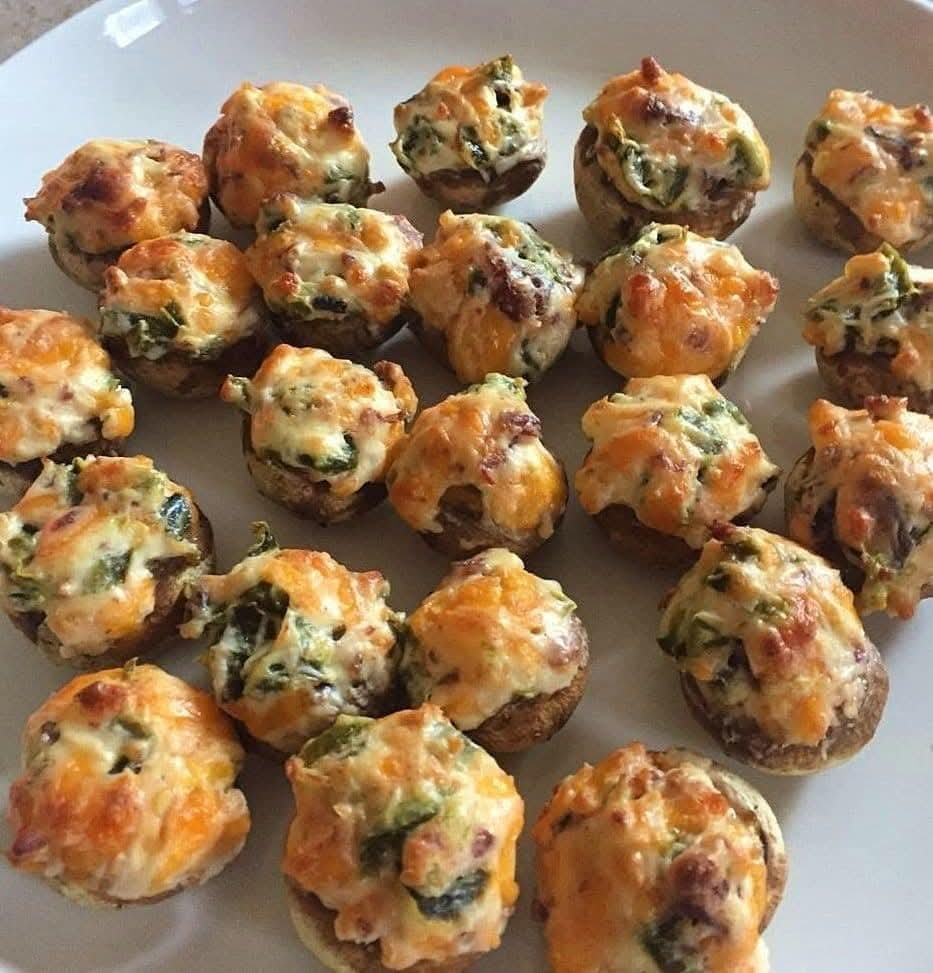
Stuffed Crab Butter Mushrooms – Section 1: Introduction, History, and Ingredients
Introduction: Why This Dish Is Exceptional
Stuffed Crab & Butter Mushrooms is an appetizer that transcends ordinary cooking. While it may appear as a simple combination of mushrooms and seafood at first glance, this dish is an intricate harmony of textures, flavors, and culinary techniques. Its beauty lies in the balance between the earthy, robust flavor of mushrooms and the sweet, delicate profile of crab meat, all enhanced by buttery richness and a crisp, golden topping.
For those seeking a dish that impresses visually and satisfies palates, this recipe is a masterclass. Each bite delivers multiple sensations: the tender mushroom base, the slightly firm yet succulent crab filling, the rich aroma of butter, the nutty undertone of Parmesan, and a subtle kick from mustard and horseradish. This dish is suitable for formal events, family celebrations, or even personal indulgence on a quiet evening, offering a gourmet experience from the comfort of home.
In this comprehensive guide, you will not only learn to prepare the dish but also understand why each step and ingredient matters, the science behind flavor and texture, and professional techniques to elevate your creation. Every detail is covered—from ingredient selection to plating and presentation.
Historical Context: The Origins of Stuffed Mushrooms and Crab Dishes
The concept of stuffing vegetables is centuries old, appearing in various forms across different cultures. In European cuisine, hollowed vegetables—especially mushrooms—were traditionally filled with combinations of meat, seafood, or cheese, often served during feasts and banquets. These preparations symbolized hospitality, elegance, and skill in the kitchen. The mushrooms acted as a natural vessel, carrying flavors and aromas while also providing a visually pleasing shape.
Crab has been a celebrated ingredient in coastal cuisines around the world. In North America, particularly along the East Coast, crab dishes have long held a place of prominence due to the abundance of fresh crab from bays and estuaries. Crab meat is prized for its delicate sweetness and versatility in both cold and hot preparations.
By combining mushrooms and crab, chefs created a sophisticated appetizer that highlights contrasts: the earthy robustness of fungi and the light, sweet marine taste of crab. Historically, variations of this dish appeared in both French and Southern American kitchens, often served during the holiday season or special gatherings. Modern iterations have embraced more refined ingredients and precise cooking techniques, elevating the dish from rustic fare to a gourmet staple.
Ingredients Overview: Quantity, Role, and Quality Considerations
Before we begin the preparation, it is essential to understand the purpose and nuances of each ingredient. This knowledge ensures the dish achieves optimal flavor, texture, and presentation.
1. Mushrooms
Quantity: 24 large brown mushrooms
Purpose: The mushroom serves as the primary base and vessel for the stuffing. Brown mushrooms are preferred due to their firmer texture and deeper flavor compared to white button mushrooms. Selecting uniform sizes ensures even cooking, while avoiding excessively wet mushrooms prevents soggy stuffing. The mushroom’s earthy notes complement the sweet, delicate crab meat, creating a balanced flavor profile.
Selection Tips: Choose mushrooms with smooth, unblemished caps and firm stems. Avoid mushrooms that are slimy, shriveled, or have dark spots. Store them in a paper bag in the refrigerator to prevent moisture accumulation.
2. Crab Meat
Quantity: ¾ lb (approximately 340 g) fresh or high-quality canned crab meat
Purpose: Crab meat is the central protein of the dish, contributing sweetness, delicacy, and a luxurious seafood flavor. The meat should be tender, moist, and in substantial pieces to provide a satisfying bite.
Selection Tips: Fresh lump crab meat is preferred for texture and visual appeal. If using canned crab, ensure it is high quality, packed in water or natural juices rather than brine to avoid excess saltiness. Check for freshness by smell: crab meat should have a clean, briny aroma without fishiness.
3. Lemon Juice
Quantity: 2 tablespoons freshly squeezed
Purpose: Lemon juice provides acidity to balance the richness of butter and crab, brightens the flavor, and reduces any strong seafood odor. It also subtly enhances the flavors of accompanying seasonings.
4. Bread Crumbs – Japanese Style & Panko
Quantity: ½ cup Japanese-style bread crumbs, ½ cup Panko
Purpose: The bread crumbs provide structure to the crab mixture and prevent it from falling apart. Japanese bread crumbs create a soft, cohesive texture, while Panko adds crispness on top, offering a pleasing contrast.
Selection Tips: Use fresh, dry crumbs. Stale or overly fine crumbs may result in mushy stuffing. The combination ensures a perfect balance of creaminess inside and a crunchy top.
5. Butter
Quantity: ½ cup unsalted, melted
Purpose: Butter enriches the stuffing with flavor and ensures the mixture remains moist during baking. It also promotes golden browning of the top and adds a luxurious mouthfeel.
Notes: Use unsalted butter to control the overall salt level. Melted butter allows even incorporation with other ingredients and helps achieve a cohesive mixture.
6. Parmesan Cheese
Quantity: ½ cup grated
Purpose: Parmesan contributes saltiness, umami, and a nutty aroma. It enhances the depth of flavor while assisting in creating a crisp, golden crust on top of the stuffing.
Tips: Freshly grated Parmesan is superior to pre-grated options, which often contain anti-caking agents and have a less vibrant flavor.
7. Dijon Mustard & Horseradish
Quantity: 3 tsp Dijon mustard, 2 tsp horseradish
Purpose: Dijon adds subtle heat and complexity, while horseradish contributes pungency that complements the sweetness of crab. Together, they provide a multi-dimensional flavor profile without overpowering.
8. Garlic Powder & Onion Powder
Quantity: 1 tsp garlic powder, ½ tsp onion powder
Purpose: These seasonings provide aromatic depth and foundational flavor, enhancing the natural taste of mushrooms and crab.
9. Fresh Parsley
Quantity: 2 tablespoons, chopped
Purpose: Adds freshness, herbal brightness, and visual appeal. Parsley contains chlorophyll, which subtly enhances perception of other flavors in the dish.
10. Optional Queso
Purpose: For a richer, creamier version of the stuffing. Incorporating a mild cheese can elevate the dish for special occasions.
Ingredient Chemistry and Flavor Science
Understanding the interaction of ingredients is crucial for a dish this delicate. Mushrooms are high in water content, which interacts with butter and cheese during baking. Butter melts and emulsifies the bread crumbs, creating a smooth, cohesive mixture. Acidic lemon juice interacts with crab protein, subtly firming the texture and enhancing natural sweetness. Parmesan contains glutamates, enhancing umami and overall flavor perception.
The balance of moisture, fat, and acid ensures that the stuffing holds together yet remains tender and luxurious. The combination of soft Japanese crumbs with coarse Panko provides contrast in textures, ensuring that every bite delivers creaminess followed by crunch.
Step 1: Preparing the Mushrooms
Proper mushroom preparation is critical. Mushrooms have a high water content, which can affect the texture of your dish. Begin by carefully selecting mushrooms that are firm, dry, and uniform in size. Use large brown mushrooms to ensure there is enough space to hold the crab mixture while maintaining structural integrity.
Gently wipe mushrooms with a damp cloth or soft brush to remove soil. Avoid rinsing under running water as mushrooms act like sponges and will absorb excess moisture. Overly wet mushrooms can make the stuffing soggy. After cleaning, remove stems by twisting gently at the base. Hollow out the center slightly with a small spoon or melon baller to create additional space for the stuffing, ensuring the filling sits neatly within the cap.
Pat the mushrooms dry completely using a clean kitchen towel or paper towels. This step is essential to achieve a perfect baked texture with crisp edges and a moist, flavorful interior.
Step 2: Preparing the Crab Mixture
In a large mixing bowl, combine the crab meat with lemon juice, bread crumbs, melted butter, grated Parmesan, Dijon mustard, horseradish, garlic powder, onion powder, chopped parsley, and optional queso. Mix gently using a spatula or your hands to prevent breaking up the crab meat. The goal is a homogeneous mixture that maintains distinct pieces of crab for texture.
Pro Tip: Taste the mixture at this stage by taking a small amount and adjusting seasoning. Add additional lemon juice for brightness, salt if needed, or a dash more horseradish for subtle heat. Achieving balance here ensures that each bite delivers maximum flavor.
Ingredient Integration Techniques
– Melted butter should be added gradually to avoid a greasy mixture. Folding the butter in gently ensures proper absorption by the bread crumbs and Parmesan, creating a smooth texture.
– Bread crumbs must be evenly distributed to absorb moisture without over-compacting. Soft Japanese-style crumbs create cohesion, while Panko adds aeration and crunch.
– Mustard and horseradish should be folded in last to avoid overpowering the delicate crab flavor.
– Parsley enhances freshness but should not dominate; add just before baking to preserve color and aroma.
Alternative Methods for Texture
- For a creamier version, incorporate a small amount of cream cheese or ricotta into the mixture. This will add smoothness and richness without affecting the bake time.
- For extra crunch, lightly toast the Panko breadcrumbs in butter before adding to the mixture. This develops a nutty flavor and ensures a golden crust.
- Experiment with adding finely chopped red bell pepper or celery for subtle sweetness and texture variation, but ensure moisture is minimal.
Step 3: Stuffing the Mushrooms
Take each prepared mushroom cap and fill it generously with the crab mixture. Use a small spoon or piping bag to control placement and ensure uniformity. Press gently to create a level top, compacting the filling slightly without compressing the crab meat too much. Properly filled mushrooms should have a slight dome on top but not overflow, maintaining an elegant presentation.
Advanced Technique: For a more professional appearance, pipe the filling using a star nozzle. This produces a decorative, ridged surface that catches heat evenly during baking, enhancing browning.
Ensure mushrooms are evenly spaced on the baking sheet to allow hot air circulation. Overcrowding prevents uniform cooking and may result in soggy bottoms.
Step 4: Baking – Temperature, Timing, and Technique
Preheat the oven to 375°F (190°C). Bake the stuffed mushrooms for 18–22 minutes. Cooking time depends on mushroom size and filling moisture. The goal is a golden-brown top with a hot, firm yet moist interior.
Pro Baking Tips:
- Use a parchment-lined or silicone mat to prevent sticking and ease cleanup.
- Rotate the baking sheet halfway through cooking for even browning.
- Check mushrooms at the 15-minute mark to prevent over-browning. If tops brown too quickly, loosely cover with foil.
- Brush tops with extra melted butter halfway through for a shiny, golden finish.
Alternative Baking Techniques:
– For convection ovens, reduce temperature by 25°F (approximately 15°C) and monitor closely for even browning.
– Broiling for the last 2–3 minutes can intensify the crust color and crispness but requires constant supervision to prevent burning.
Step 5: Presentation and Plating Techniques
Visual appeal is essential for a dish of this elegance. Arrange mushrooms in a circular pattern on a serving platter or wooden board. Sprinkle freshly chopped parsley for a pop of color. Lemon wedges enhance both aesthetics and flavor. Consider small decorative bowls with aioli or light vinaigrette for dipping.
Professional Tip: For catering or event presentation, place each stuffed mushroom on a small lettuce leaf or microgreens. This prevents slipping and adds sophistication.
For individual servings, use mini muffin tins. Each mushroom sits perfectly in a cup, retaining shape and heat while allowing guests to easily serve themselves.
Troubleshooting Common Issues
- Filling Too Wet: Ensure mushrooms are dry, and bread crumbs are not overly fine. Excess moisture can be absorbed by adding an extra teaspoon of bread crumbs.
- Filling Falls Apart: Fold ingredients gently to avoid breaking crab meat. Gradual butter incorporation ensures mixture cohesion.
- Overcooked Mushrooms: Use a timer and check at the minimum recommended baking time. Overcooked mushrooms shrink and release water, resulting in soggy filling.
- Uneven Browning: Rotate tray halfway, brush with butter, or tent with foil if browning too quickly.
Expert Tips and Advanced Techniques
- For flavor depth, roast mushrooms for 5 minutes before stuffing. This reduces water content and concentrates the earthy flavor.
- Use a digital kitchen scale for precise measurement of crab meat, butter, and cheese to ensure consistent results.
- Incorporate aromatic herbs such as thyme or chives into the stuffing for additional layers of flavor.
- Let the stuffed mushrooms rest for 3–5 minutes after baking. This allows juices to redistribute, preventing sogginess and enhancing taste.
- For a more luxurious version, finish with a drizzle of truffle oil just before serving.
Serving Suggestions
Presentation elevates the dining experience, and stuffed mushrooms are a visually appealing dish that can be served in a variety of contexts. For intimate dinners, place six to eight mushrooms on a medium-sized white ceramic plate to allow contrast against the earthy tones. Arrange them in a circular pattern for symmetry, or in a diagonal line for a contemporary aesthetic. Garnish with finely chopped parsley, microgreens, or edible flowers for color and vibrancy. Lemon wedges on the side offer both visual and flavor enhancement.
For buffet or party settings, consider arranging mushrooms on a tiered serving platter. This not only saves space but adds vertical visual appeal. If serving at a formal event, small ceramic ramekins can hold individual mushrooms, providing each guest with a single elegant portion.
Pairing Ideas – Wines, Drinks, and Complementary Foods
Stuffed crab and butter mushrooms pair beautifully with a variety of beverages and complementary dishes. Here are expert pairing suggestions:
- White Wines: Light to medium-bodied white wines like Sauvignon Blanc, Pinot Grigio, or Chardonnay complement the sweet crab and earthy mushroom flavors without overpowering them. For buttery mushrooms, a lightly oaked Chardonnay adds richness that mirrors the dish’s texture.
- Sparkling Wines: Champagne or Prosecco offers acidity and effervescence that balances the richness of the stuffing. Ideal for celebratory occasions.
- Light Reds: If a red is preferred, opt for Pinot Noir or Beaujolais. Their subtle fruitiness enhances the dish without overshadowing the crab.
- Cocktails: Citrus-forward cocktails, such as a classic gin and tonic with a twist of lemon or a light mojito, can enhance the flavors while refreshing the palate.
- Non-Alcoholic Options: Sparkling water with lemon, iced green tea, or lightly sweetened citrus beverages provide a crisp balance to the richness of the mushrooms.
Advanced Plating Techniques
To create a restaurant-quality presentation, consider the following techniques:
- Vertical Arrangement: Stack mushrooms in two layers on a plate, placing microgreens or edible flowers between layers for height and visual appeal.
- Sauce Drizzle: Prepare a light herb or lemon butter sauce and drizzle artfully around the mushrooms on the plate. This adds color, aroma, and moisture.
- Contrasting Textures: Sprinkle toasted nuts, breadcrumbs, or Parmesan shards around the mushrooms to provide crunchy contrasts to the soft filling.
- Miniature Versions: Use small mushrooms as bite-sized hors d’oeuvres, perfect for cocktail parties. Present each mushroom in a decorative spoon or on a canapé tray for elegance.
- Plating on Slate or Wooden Boards: The natural tones of wood or slate highlight the earthy mushroom color and create a rustic yet sophisticated aesthetic.
Flavor Enhancements and Layering Techniques
To elevate the dish, consider additional flavor elements:
- Infused Butters: Prepare butter infused with herbs like thyme, rosemary, or tarragon and fold into the crab mixture. This adds subtle aromatic notes throughout.
- Garlic and Shallot Sauté: Lightly sauté minced garlic and shallots before mixing with the crab. This adds depth and complexity without overpowering the delicate flavors.
- Cheese Variations: Swap Parmesan with Gruyère, Fontina, or aged Cheddar for nuanced flavor differences. Each cheese will slightly alter the meltiness and flavor profile.
- Citrus Zest: A small amount of finely grated lemon or orange zest mixed into the filling brightens the flavor and adds an aromatic dimension.
- Spice Elements: Mild cayenne, paprika, or a pinch of smoked chili powder can introduce warmth and enhance umami without overwhelming the primary flavors.
Creative Variations
Stuffed mushrooms are highly versatile. Consider these variations for seasonal or dietary adjustments:
- Seafood Medley: Combine crab with small shrimp or lobster chunks for luxurious richness. Adjust seasoning to complement the additional seafood.
- Vegetarian Version: Replace crab with finely chopped roasted vegetables (bell peppers, zucchini, or spinach) and incorporate cream cheese for moisture and richness.
- Low-Fat Version: Substitute butter with olive oil and reduce cheese. Use whole-grain Panko for additional fiber.
- International Twist: Add curry powder, smoked paprika, or miso paste to the filling for a unique global flavor experience.
- Herbal Enhancements: Incorporate fresh herbs like dill, tarragon, or chives to create subtle variations in aromatic profiles.
- Mini Hors d’Oeuvres: Use baby mushrooms for bite-sized appetizers. These can be served cold or warm at cocktail parties.
Textural Mastery
Achieving the perfect texture is essential for this dish. Techniques to master include:
- Balancing Moisture: Ensure mushrooms are dry, crab meat is gently folded, and bread crumbs absorb excess moisture.
- Creamy vs. Crunchy: Use a combination of soft and coarse breadcrumbs. Soft crumbs bind the filling, coarse crumbs create a crisp topping.
- Even Baking: Space mushrooms evenly and rotate the tray halfway through to ensure uniform cooking.
- Golden Topping: Brush tops with melted butter or infused oil just before baking for a glossy, golden appearance.
- Resting Time: Allow mushrooms to rest for 3–5 minutes post-baking to let juices redistribute and filling set properly.
Pairing with Side Dishes
Stuffed mushrooms are excellent standalone appetizers, but can also complement full meals:
- Salads: Pair with light, crisp salads with citrus vinaigrettes or arugula to cut richness.
- Grain Sides: Serve alongside quinoa, wild rice, or couscous with herbs for a balanced plate.
- Roasted Vegetables: Seasonal roasted vegetables, such as asparagus, carrots, or Brussels sprouts, enhance flavor variety.
- Bread: Crusty baguette slices or garlic bread can help soak up the buttery juices, adding an interactive element for diners.
- Sauces: Creamy hollandaise, lemon-butter emulsion, or light garlic aioli can add complementary moisture and flavor.
Professional Presentation Tips
- Use contrasting colors for garnish: purple microgreens, edible flowers, or finely diced red peppers.
- Serve on dark platters to highlight the golden topping.
- Use consistent portion sizes for elegance and balance.
- Consider temperature: warm mushrooms retain aroma and flavor better than cold.
- Interactive plating: small dipping sauces, multiple textures, and bite-sized variations enhance the sensory experience.
Conclusion of Section 3
This section has covered the art of serving, plating, pairing, flavor enhancements, creative variations, and textural mastery. By incorporating these techniques, you elevate stuffed crab and butter mushrooms from a simple appetizer to a sophisticated dish that delights both the eyes and the palate. Professional tips, international variations, and pairing suggestions allow endless customization while maintaining the essence of the original recipe.
Proper Storage Techniques
Ensuring the freshness and flavor of stuffed crab and butter mushrooms requires careful storage. Leftovers can be safely kept for short-term use or frozen for long-term enjoyment. Properly handling each component guarantees that the mushrooms remain tender, flavorful, and safe to consume.
Refrigeration: Store leftover mushrooms in an airtight container. Ensure the container is well-sealed to prevent moisture loss or absorption of other refrigerator odors. Keep refrigerated at 35–40°F (1.5–4°C) for up to 3 days. Reheat gently in an oven preheated to 350°F (175°C) for 8–10 minutes. Avoid microwaving if possible, as this can create uneven heat, making the mushrooms rubbery or the filling dry.
Freezing: Freezing is an excellent option for make-ahead preparation. Place unbaked stuffed mushrooms on a parchment-lined tray and freeze individually for 1–2 hours. Once solid, transfer to a freezer-safe bag or container. Frozen mushrooms can be stored up to 2–3 months. Bake directly from frozen, adding 5–10 minutes to the standard baking time, and cover with foil if tops brown too quickly.
Make-Ahead Tips: Prepare the crab mixture up to 24 hours in advance and store in an airtight container in the refrigerator. Fill the mushroom caps just before baking to maintain structure and prevent sogginess.
Advanced Troubleshooting Guide
Even with careful preparation, issues can arise. Here’s a comprehensive guide to troubleshooting:
- Watery Mushrooms: Ensure mushrooms are patted dry. Roast or sauté caps lightly to remove excess moisture before stuffing.
- Dry Filling: Check butter content and crab moisture. Adding a teaspoon of cream or a drizzle of melted butter can restore richness.
- Uneven Cooking: Rotate the baking sheet halfway through and monitor oven temperature. Use an oven thermometer to ensure accurate heat.
- Overly Salty: Choose unsalted butter and taste crab meat before adding extra salt. Parmesan already adds saltiness.
- Crab Mixture Falls Apart: Incorporate bread crumbs gradually and fold gently. Avoid over-mixing which can break up delicate crab chunks.
Frequently Asked Questions (FAQ)
Can I use canned crab meat?
Yes, but ensure it’s high-quality, packed in water, and drained properly. Avoid canned crab in brine, which can be overly salty.
What can I substitute for mushrooms?
Large bell peppers, zucchini cups, or small acorn squash can serve as alternatives, but adjust cooking times to account for density and moisture content.
Can this dish be made gluten-free?
Yes, substitute Japanese and Panko bread crumbs with gluten-free alternatives. Check all ingredients for hidden gluten sources, including mustard and processed cheese.
How do I keep mushrooms from shrinking too much?
Choose firm, fresh mushrooms. Do not rinse under water; pat dry. Avoid over-baking and consider roasting caps lightly before stuffing.
Can I prepare this for a party in advance?
Absolutely. Make the crab mixture and mushroom caps up to a day ahead. Bake just before serving. Frozen stuffed mushrooms can also be baked directly from the freezer for convenience.
Nutrition and Dietary Notes
This dish is rich in protein, vitamins, and minerals. Crab meat is a lean source of protein, high in vitamin B12 and omega-3 fatty acids. Mushrooms add fiber, potassium, and antioxidants. Butter and cheese contribute fat and richness, creating a balanced indulgent dish. Optional adjustments can reduce fat by using olive oil instead of butter or low-fat cheese alternatives.
Approximate nutritional content per mushroom (assuming 24 servings):
- Calories: 120–150 kcal
- Protein: 6–8 g
- Fat: 9–11 g
- Carbohydrates: 3–5 g
- Fiber: 0.5–1 g
- Sodium: 150–200 mg (depends on cheese and crab salt content)
Advanced Make-Ahead & Freezing Strategies
For entertaining, you can prepare batches weeks in advance. Freeze unbaked stuffed mushrooms individually to prevent sticking. When ready to serve, bake directly from frozen. For partially baked mushrooms, bake 10–12 minutes, freeze, and finish baking 5–7 minutes before serving. Label containers with date and number of servings for organization.
Tip: Use vacuum sealing for long-term storage to maintain freshness, flavor, and texture. Thaw in refrigerator overnight if desired before baking.
Extra Tips for Gourmet Presentation
- Serve with a light citrus aioli or lemon beurre blanc on the side for dipping.
- Garnish with fresh microgreens or edible flowers for color contrast.
- Arrange in a spiral or geometric pattern on large platters for visual appeal.
- Drizzle truffle oil lightly for a decadent, professional touch.
- Pair with complementary dishes such as roasted vegetables or grain salads to complete a gourmet menu.
Conclusion: Bringing It All Together
Stuffed Crab & Butter Mushrooms is more than an appetizer; it is a culinary experience that combines texture, flavor, and visual appeal. With careful ingredient selection, attention to detail in preparation and baking, and thoughtful presentation, this dish can be transformed from a simple appetizer into a show-stopping masterpiece. By mastering storage, troubleshooting, and flavor enhancements, you can consistently create a dish that impresses guests and delights every palate.
From selecting the freshest mushrooms and crab to implementing professional plating techniques, the knowledge contained in this guide ensures success. This recipe is adaptable, versatile, and can be made ahead for convenience, making it ideal for both home cooks and professional chefs seeking to elevate their appetizer repertoire.
With this comprehensive guide, you now possess all the tools needed to create a perfectly balanced, flavorful, and visually stunning dish. Each bite delivers a symphony of buttery, earthy, and sweet flavors, leaving a lasting impression and establishing this dish as a timeless favorite for holidays, parties, and special occasions.