
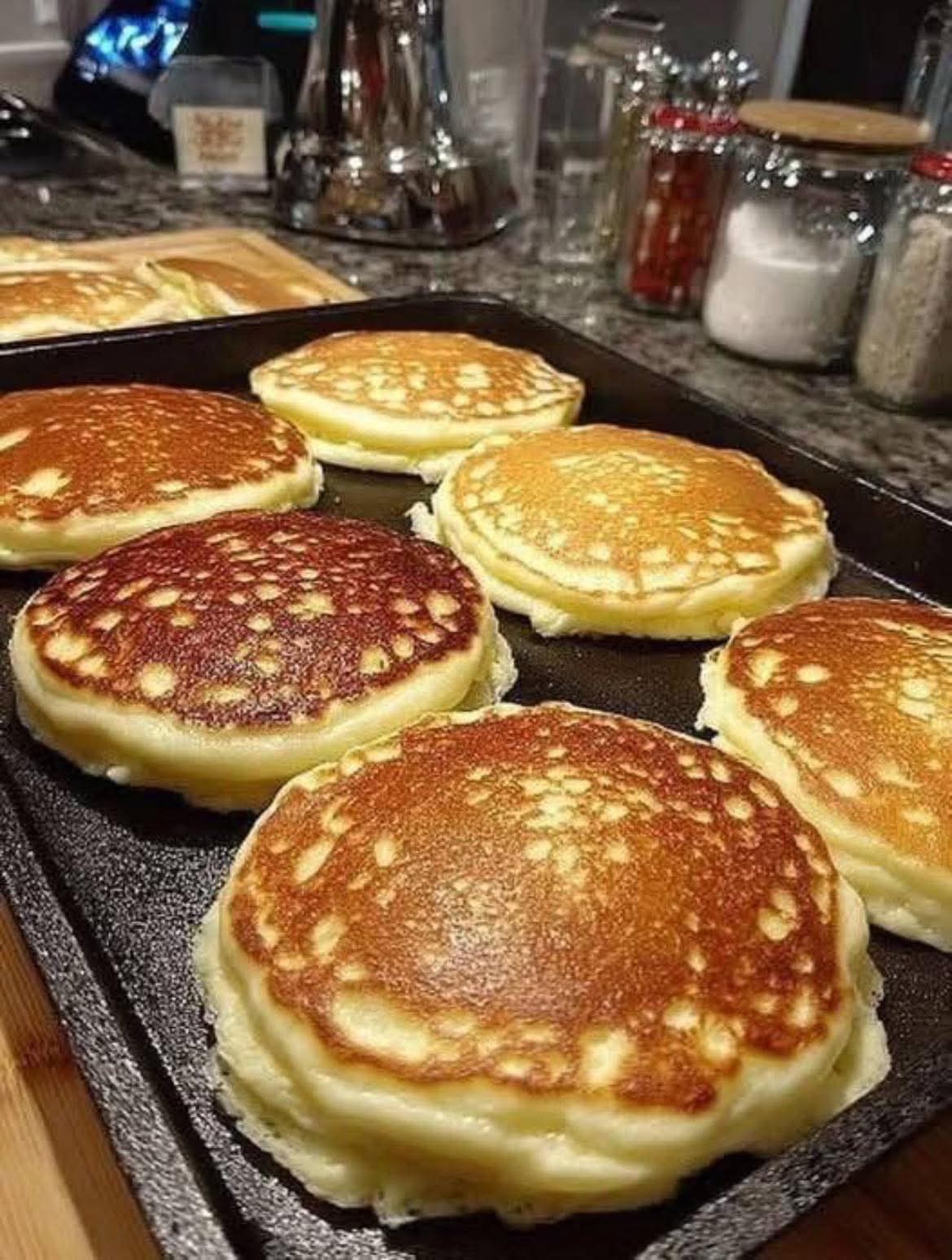
Ultimate Fluffy Sourdough Pancakes
Introduction: The Magic of Sourdough Pancakes
There’s something almost mystical about sourdough pancakes. Their golden edges, airy centers, and subtle tang transform a simple breakfast into a delightful sensory experience. Unlike ordinary pancakes, sourdough pancakes combine the ancient art of fermentation with modern kitchen convenience. Using a sourdough starter, whether active or discard, elevates the flavors, giving the batter depth, aroma, and lightness. These pancakes are the perfect way to celebrate your morning with a dish that is both rustic and refined.
In this guide, we’ll explore everything you need to know about sourdough pancakes: their history, the science behind the starter, essential ingredients, cooking tools, preparation steps, pro tips, creative variations, and troubleshooting advice. By the end, you’ll have all the knowledge to create pancakes that rival your favorite bakery.
The History of Sourdough and Pancakes
Sourdough is one of the oldest forms of leavened bread, with origins tracing back to ancient Egypt. Early bakers discovered that natural fermentation using wild yeast and lactobacilli improved bread’s texture and flavor. Over centuries, sourdough became a staple in many cultures, from San Francisco’s iconic sourdough loaves to European artisan breads.
Pancakes themselves have a long history, dating back thousands of years. Combining sourdough and pancakes is a natural evolution. The fermentation process of sourdough adds tang, tenderness, and slight sweetness, creating a flavor profile ordinary pancakes cannot achieve. It’s a perfect blend of tradition and innovation.
Understanding the Ingredients
Each ingredient in sourdough pancakes has a purpose. Knowing why you use it helps you tweak recipes for personal taste or dietary needs.
- Sourdough Starter (1 cup): Provides natural leavening, flavor, and fermentation benefits. Active starter yields fluffier pancakes; discard works with slight adjustments.
- All-purpose flour (1 cup): Forms the structure while keeping pancakes tender. Partial substitution with whole wheat flour adds nuttiness.
- Milk (1 cup): Moistens the batter for a pourable consistency. Whole milk adds richness; plant-based alternatives work for vegan variations.
- Egg (1 large): Provides protein and structure to hold pancakes together while remaining fluffy.
- Sugar (2 tablespoons): Enhances flavor and encourages golden browning.
- Melted butter (2 tablespoons): Adds richness, flavor, and prevents sticking. Extra for greasing the pan.
- Baking powder (1 teaspoon, optional): Provides additional lift if starter is less active.
- Salt (½ teaspoon): Balances flavors and enhances sweetness.
- Vanilla extract (½ teaspoon): Adds aromatic sweetness that complements the tangy starter.
Optional additions: cinnamon, nutmeg, chocolate chips, blueberries, or nuts to create unique flavors.
Essential Cooking Tools
- Large mixing bowl: To combine wet ingredients smoothly.
- Medium bowl: To mix dry ingredients thoroughly.
- Whisk or fork: For blending wet ingredients without overmixing.
- Measuring cups and spoons: Ensure precise quantities for consistent pancakes.
- Non-stick skillet or griddle: For evenly cooking pancakes without sticking.
- Brush or small spoon: For greasing the cooking surface with butter or oil.
- Ladle or ¼ cup measuring cup: For consistent pancake portions.
- Baking sheet (optional): Keep pancakes warm in a low oven while finishing the batch.
- Clean towel or plate cover: To cover pancakes before serving, retaining warmth.
Step-by-Step Instructions
- Mix Wet Ingredients: Whisk together sourdough starter, milk, and egg until smooth. Stir in melted butter and vanilla extract.
- Combine Dry Ingredients: In a separate bowl, mix flour, sugar, salt, and optional baking powder. Gradually fold into the wet ingredients. Keep lumps to avoid dense pancakes.
- Rest the Batter: Let sit for 10–20 minutes to activate fermentation, enhancing flavor and tenderness.
- Preheat the Pan: Heat skillet or griddle over medium heat. Grease lightly with butter or oil. Test heat by sprinkling water—sizzling means ready.
- Cook Pancakes: Pour ¼ cup batter per pancake. Cook until bubbles appear on top and edges are set (2–3 minutes). Flip and cook another 1–2 minutes until golden.
- Keep Warm: Transfer cooked pancakes to a baking sheet in a 200°F (90°C) oven while finishing the remaining batter.
Pro Tips for Perfect Pancakes
- Adjust batter thickness with milk for desired consistency.
- Use a bubbly, well-fed starter for maximum lift.
- Don’t overmix batter; it prevents dense pancakes.
- Experiment with mix-ins like fruits, chocolate, or nuts.
- Keep pancakes warm in the oven for consistent serving.
- Add spices like cinnamon or nutmeg for extra flavor.
Serving Suggestions
- Classic: Butter and maple syrup.
- Decadent: Whipped cream and fresh berries.
- Savory: Smoked salmon, crispy bacon, or fried egg.
- Kid-Friendly: Chocolate chips, sprinkles, or cinnamon sugar.
Health Benefits of Sourdough Pancakes
- Improved digestibility: fermentation breaks down gluten partially.
- Enhanced nutrient absorption: increases bioavailability of minerals.
- Probiotics: active starter promotes beneficial bacteria (though heat reduces count).
- Reduced sugar need: tangy flavor reduces desire for excess sweeteners.
Creative Variations and Flavor Combinations
Add variety and customize pancakes with these ideas:
- Blueberry and lemon zest for a fresh flavor.
- Chocolate chips with a drizzle of caramel.
- Banana slices and a sprinkle of cinnamon.
- Pumpkin puree with nutmeg and cloves for seasonal pancakes.
- Nuts like walnuts or pecans for crunch and richness.
Troubleshooting Common Problems
- Pancakes too dense: Don’t overmix; ensure starter is active.
- Edges not browning: Preheat pan properly and use enough butter/oil.
- Too sour: Use a younger starter or reduce fermentation time.
- Pancakes sticking: Use a non-stick surface and grease lightly.
Frequently Asked Questions
Can I use sourdough discard?
Yes, discard works well. For extra lift, add a pinch of baking soda.
Can I make vegan pancakes?
Yes, use plant-based milk and a flax egg (1 tbsp flax + 3 tbsp water).
Can I freeze pancakes?
Absolutely. Stack with parchment paper, freeze, and reheat in the toaster or oven.
Conclusion
With this ultra-detailed guide, you can master fluffy, tangy sourdough pancakes that impress every breakfast table. From understanding your starter to customizing flavors and troubleshooting, this recipe ensures pancakes that are perfectly golden, tender, and flavorful. Start your morning with a stack of these sourdough pancakes and enjoy a taste of tradition, creativity, and breakfast perfection.