
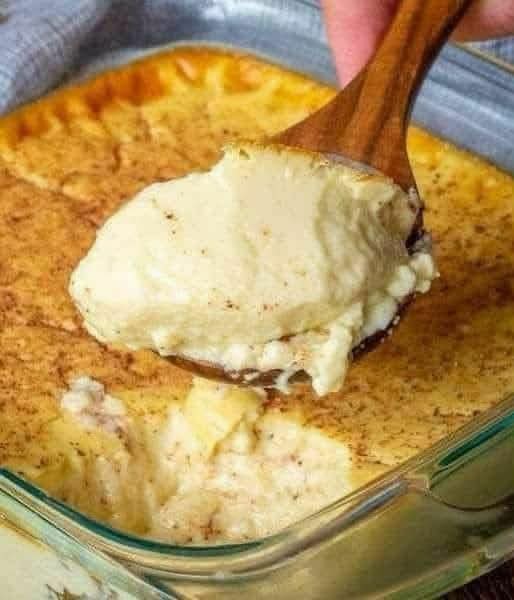
Amish Baked Custard: Creamy, Simple, and Timeless Dessert
Amish Baked Custard is more than just a dessert; it is a testament to the beauty of simplicity. Passed down through generations, this creamy custard embodies the essence of Amish cooking: wholesome, comforting, and utterly satisfying. Using just a handful of ingredients—sweetened condensed milk, eggs, vanilla, and a touch of nutmeg—this dessert transforms everyday pantry staples into something extraordinary. Its silky texture, gentle sweetness, and subtle spice make it a favorite at family gatherings, holidays, and quiet nights at home.
The History of Amish Baked Custard
The Amish community, known for their simple and practical lifestyle, often rely on recipes that are straightforward yet delicious. Baked custard fits perfectly into this tradition. This dessert likely originated as a way to use fresh eggs and dairy efficiently while providing a treat that could feed a large family. Over the years, it became a staple at Sunday dinners and holiday celebrations. Its enduring popularity is a testament to its perfect balance of richness, sweetness, and texture.
Unlike many desserts that rely on elaborate techniques or exotic ingredients, Amish Baked Custard relies on patience and care. The custard is baked gently in a water bath to ensure an even, smooth texture, avoiding the curdling or cracking that can occur with more aggressive baking methods. This slow and steady approach reflects the Amish philosophy of thoughtful preparation and attention to detail.
Health Benefits and Why Custard Can Be Good for You
While custard is often seen as an indulgence, it also offers nutritional benefits. Let’s break down the key ingredients:
Eggs
Eggs are a high-quality source of protein, containing all essential amino acids. They are rich in choline, which supports brain health, and contain vitamins such as B12 and D. In custard, eggs provide structure, giving the dessert its creamy yet firm texture.
Sweetened Condensed Milk
Sweetened condensed milk is made from cow’s milk with the water removed and sugar added. While it is a source of sweetness, it also provides calcium and protein. When used in moderation, it contributes to a rich, creamy texture that makes the custard indulgent without being overly heavy.
Vanilla Extract
Vanilla adds aromatic compounds that enhance the flavor and make the dessert more satisfying. While used in small amounts, vanilla contains antioxidants and provides a comforting, familiar taste that many associate with home and tradition.
Nutmeg (Optional)
Nutmeg adds warmth and a subtle spiciness. It is known to aid digestion and provide antioxidant properties. Just a sprinkle on top elevates the custard both visually and in flavor.
Ingredients
| Ingredient | Notes |
|---|---|
| 14 ounces sweetened condensed milk | Provides creamy sweetness and body |
| 6 eggs | Beaten lightly to incorporate air for a tender texture |
| 2 teaspoons vanilla extract | Adds aromatic flavor |
| 4 cups hot water | Used for the water bath to ensure even baking |
| ¼ teaspoon salt | Enhances flavor and balances sweetness |
| Ground nutmeg | Optional, for garnish |
Step-by-Step Instructions
Step 1: Preheat the Oven
Set your oven to 325°F (163°C). This moderate temperature allows the custard to cook gently without curdling or developing cracks. Prepare a large baking pan for the water bath to ensure even cooking.
Step 2: Mix Condensed Milk and Water
In a medium bowl, combine the sweetened condensed milk with 4 cups of hot water. Stir until fully blended. This mixture forms the base of the custard, ensuring smoothness and richness in every bite.
Step 3: Beat the Eggs
In a separate large bowl, beat the eggs until light and fluffy. This incorporates air, giving the custard a light, creamy texture rather than a dense consistency.
Step 4: Combine Ingredients Carefully
- Tempering: Slowly pour a small amount of the hot condensed milk mixture into the eggs while stirring continuously. This prevents the eggs from curdling.
- Blend Completely: Gradually add the remaining condensed milk mixture into the eggs, stirring gently.
- Season: Add salt and vanilla extract. Mix gently until smooth and uniform in color.
Step 5: Prepare for Baking
- Pour the custard mixture into individual ramekins or a single large baking dish.
- Place ramekins in a larger pan and pour hot water around them, halfway up the sides (bain-marie).
- Bake for 45–55 minutes, until custard is set but slightly jiggly in the center.
- Remove from oven and sprinkle lightly with nutmeg for garnish.
- Allow to cool slightly before serving. Refrigerate if a firmer texture is desired.
Pro Tips for Perfect Custard
- Use a water bath to prevent cracking and uneven cooking.
- Do not overbeat eggs; just enough to combine and add air.
- Check doneness with a knife or toothpick—it should come out clean.
- For flavor variations, add a pinch of cinnamon, orange zest, or a few drops of almond extract.
- Use fresh, high-quality eggs for the best color and taste.
- Let the custard rest after baking; flavors develop and texture firms slightly.
Storage & Reheating
- Store in an airtight container in the refrigerator for up to 3 days.
- Custard can be served chilled or at room temperature.
- Avoid reheating; it may alter the smooth texture.
- For gifting or long-term storage, individual ramekins can be wrapped and refrigerated.
Variations
- Chocolate Custard: Add 2 tablespoons cocoa powder to the mixture.
- Spiced Custard: Add cinnamon, clove, or cardamom for warmth.
- Citrus Twist: Add orange or lemon zest to brighten the flavor.
- Caramel Topping: Drizzle homemade caramel over baked custard before serving.
- Nutty Delight: Sprinkle toasted almonds or pecans on top.
FAQ
- Can I use whole milk instead of sweetened condensed milk? You can, but add sugar to taste and slightly reduce liquid to maintain texture.
- Can I make it in a single dish? Yes, just monitor baking time closely for even doneness.
- Is this custard suitable for children? Yes, it is mild and safe for all ages.
- Can I freeze the custard? Yes, but texture may change slightly upon thawing.
- How do I know when it’s done? It should be set around the edges and slightly wobbly in the center.
- Can I add fruits? Yes, berries or sliced apples can be added before baking for a fruity twist.
- Why use a water bath? It ensures gentle, even cooking and prevents cracking.
- Can I make it vegan? Traditional custard requires eggs and milk; vegan substitutes require careful testing.
- Why is nutmeg recommended? It enhances aroma and adds subtle warmth without overpowering.
- Can I adjust sweetness? Yes, reduce or increase condensed milk slightly to taste.
Conclusion
Amish Baked Custard is the epitome of simple elegance. With just a few pantry staples, you can create a dessert that is rich, creamy, and comforting. Its long-standing presence in Amish kitchens is a testament to its timeless appeal. Whether for family dinners, holiday gatherings, or a quiet indulgence, this custard delights all who taste it. Take your time, follow each step carefully, and savor the gentle flavors and creamy texture that make Amish Baked Custard a true classic.