
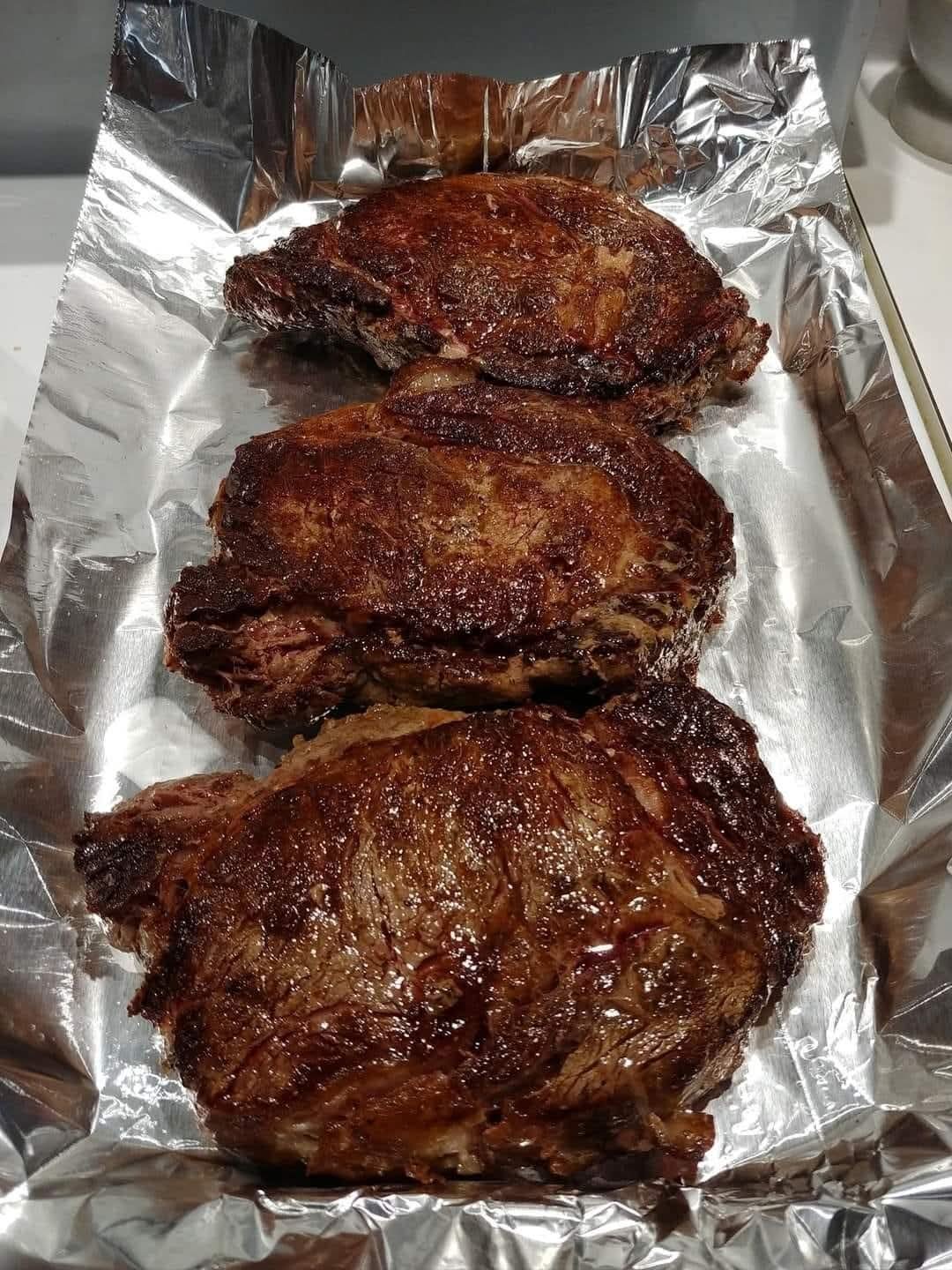
Perfect Ribeye Steak – Juicy, Flavorful, and Tender

Indulging in a perfectly cooked ribeye steak is a culinary experience that delights all senses. The rich marbling of a ribeye, combined with sea salt, freshly ground black pepper, butter, thyme, and garlic, creates a symphony of flavors that is unmatched. Whether served at a special dinner, a weekend treat, or for a celebratory meal, this steak recipe ensures tender, juicy, and aromatic results every time.
Why Ribeye is the King of Steaks
The ribeye is celebrated for its excellent marbling — the intramuscular fat that melts during cooking, enriching the meat with flavor and tenderness. The natural juiciness of ribeye makes it forgiving for both novice and experienced cooks. Unlike leaner cuts, the ribeye remains tender even if cooked slightly beyond rare or medium-rare, though precise timing yields the perfect bite.
The fat content, combined with simple seasonings like salt and pepper, allows the meat to shine. Infusing it with butter, fresh herbs, and garlic elevates the flavor, creating a steakhouse-quality dish right at home.
Ingredients & Their Role in Flavor
- Rib steak (1 piece): The star ingredient, ideally 1–1.5 inches thick, with rich marbling that ensures juicy, flavorful meat.
- Sea salt flakes: Enhance natural flavors and help form a savory crust when seared.
- Freshly ground black pepper: Adds mild heat and aromatic complexity.
- Butter (50g): Enriches the steak with creamy, nutty flavor while basting.
- Thyme (2 sprigs): Adds earthy, aromatic notes that complement the meat.
- Crushed garlic with skin (1 clove): Provides subtle pungency and depth without overpowering the ribeye.
Step-by-Step Instructions
Step 1 — Bring Steak to Room Temperature
Remove the ribeye from the refrigerator at least 30 minutes before cooking. This allows even heat penetration, ensuring uniform doneness and avoiding a cold center.
Step 2 — Season Generously
Sprinkle sea salt and freshly ground black pepper on both sides of the steak. The salt draws out moisture initially, but then helps create a savory crust when seared.
Step 3 — Heat the Frying Pan
Use a heavy-bottomed skillet, cast iron preferred, and preheat over medium-high heat. Add a small amount of neutral oil. Once shimmering, lay the steak in the pan.
Step 4 — Sear the Steak
Cook for 2–3 minutes on each side, adjusting based on thickness and preferred doneness. Avoid constant flipping — allow a golden-brown crust to develop for flavor and texture.
Step 5 — Infuse with Flavors
After flipping, add butter, thyme, and crushed garlic to the pan. Tilt the pan and spoon the melted, herb-infused butter over the steak repeatedly. This technique, called basting, intensifies flavor and promotes even cooking.
Step 6 — Let it Rest
Remove the steak from the skillet and place it on a cutting board. Tent loosely with foil and rest for 5–10 minutes. Resting allows juices to redistribute, resulting in a moist, tender steak.
Step 7 — Slice and Serve
Cut the ribeye across the grain into strips, season to taste if necessary, and serve with your favorite sides — roasted vegetables, creamy mashed potatoes, or a fresh green salad.
Pro Tips for the Perfect Ribeye
- Use a cast-iron skillet for optimal heat retention and searing.
- Don’t overcrowd the pan — cook one or two steaks at a time for even crust.
- Measure doneness with an instant-read thermometer: 125°F for rare, 135°F for medium-rare, 145°F for medium.
- Use room-temperature butter and aromatics for better flavor infusion.
- Let the steak rest; skipping this step causes juices to escape and results in dryness.
Common Mistakes to Avoid
- Cooking straight from the fridge — leads to uneven doneness.
- Overcrowding the pan — prevents proper searing.
- High heat without monitoring — risk of burning outside and undercooked inside.
- Skipping basting — misses depth of flavor from butter, garlic, and thyme infusion.
Serving Suggestions
- Pair with garlic mashed potatoes and sautéed asparagus.
- Serve with a red wine reduction or chimichurri sauce for elevated flavor.
- Top with caramelized onions or blue cheese for a decadent twist.
- Serve alongside a crisp Caesar salad to balance richness.
Variations and Substitutions
- Use bone-in ribeye for enhanced flavor and juiciness.
- Substitute thyme with rosemary or oregano for different aromatic notes.
- For a lighter option, sear with olive oil and skip butter, adding a splash of broth instead.
- Try finishing in the oven for thick cuts to achieve perfect medium-rare.
FAQs About Ribeye Steak
- Can I grill instead of pan-frying? — Yes, preheat grill to high, sear each side 3–4 minutes, then indirect heat to desired doneness.
- How do I know when it’s done? — Use an instant-read thermometer or the finger test for firmness.
- Can I make this ahead? — You can season ahead but cook just before serving for maximum flavor.
- What sides complement ribeye? — Roasted vegetables, baked potatoes, creamy mashed potatoes, or sautéed mushrooms.
Nutritional Information (Approximate per serving)
Calories: 520 | Protein: 45g | Fat: 38g | Saturated Fat: 16g | Carbs: 1g | Sodium: 310mg
Conclusion
Mastering the perfect ribeye steak is both an art and a joy. With simple ingredients — high-quality meat, salt, pepper, butter, thyme, and garlic — and precise cooking techniques, you can achieve a juicy, flavorful steak that rivals any steakhouse. By following these detailed instructions, tips, and variations, you can enjoy restaurant-quality ribeye at home, impressing friends and family with your culinary skill while savoring every tender, flavorful bite.