
Butter Biscuits: The Ultimate Guide to Flaky, Homemade Perfection
There’s something universally comforting about a warm, golden biscuit fresh from the oven. Butter Biscuits are a quintessential part of Southern cooking, a staple of breakfast tables, and a perfect accompaniment to dinners, soups, and stews. The combination of flaky layers, tender crumb, and rich buttery flavor makes these biscuits a crowd favorite. In this ultimate guide, we’ll explore everything from ingredient science to advanced techniques, tips for perfect layering, and serving ideas that will elevate these biscuits to bakery-quality perfection.
The Allure of Homemade Butter Biscuits
Butter biscuits have a long history in American and European kitchens. Unlike simple drop biscuits, butter biscuits rely on cutting in solid fat to create layers that puff during baking. When done correctly, these biscuits feature a crisp, golden exterior and a soft, pillowy interior. The aroma of butter and freshly baked dough filling your kitchen is nostalgic, reminiscent of family breakfasts and Sunday dinners.
Whether you’re new to baking or a seasoned baker, mastering butter biscuits is a culinary milestone. Unlike store-bought biscuits, homemade versions allow you to control sweetness, saltiness, and texture, resulting in biscuits that are perfectly tailored to your taste.
Ingredients and Their Crucial Roles
Understanding each ingredient helps you create the perfect biscuit every time:
- 2 cups all-purpose flour, packed – Provides structure and forms the base of the biscuit. Flour selection affects tenderness: all-purpose flour strikes a balance between structure and softness. If using self-rising flour, omit baking powder and salt.
- 1 Tbsp baking powder – Acts as the leavening agent. It reacts during baking to create lift and fluffy layers. Skip if using self-rising flour.
- ½ tsp salt – Balances flavor, enhances the buttery taste, and strengthens gluten slightly for a tender texture.
- ½ cup butter, salted, cut into small pieces – The hero ingredient. Cold butter creates steam during baking, forming flaky layers. Salted butter also enhances flavor; if using unsalted, increase salt slightly.
- 1 cup milk (regular or buttermilk) – Moistens the dough and activates the baking powder. Buttermilk adds a subtle tang and produces a more tender biscuit.
Step-by-Step Instructions for Perfect Butter Biscuits
Step 1: Preheat Oven and Prepare Baking Surface
Preheat your oven to 400°F (200°C). Line a baking sheet with parchment paper or lightly grease it. Proper heat and preparation are essential for achieving a crisp golden exterior.
Step 2: Combine Dry Ingredients
In a large bowl, whisk together flour, baking powder, and salt until fully blended. Even distribution ensures uniform rise and flavor throughout the biscuit.
Step 3: Cut in Butter
Add the cold butter pieces. Using a pastry blender, two knives, or your fingertips, cut the butter into the flour until the mixture resembles coarse crumbs with pea-sized pieces of butter remaining. This step is key to flaky layers; the remaining butter chunks create pockets of steam as they bake.
Step 4: Add Milk
Pour milk gradually into the flour-butter mixture, mixing gently with a fork or spatula until the dough begins to come together. Over-mixing can develop gluten, making biscuits tough.
Step 5: Shape the Biscuits
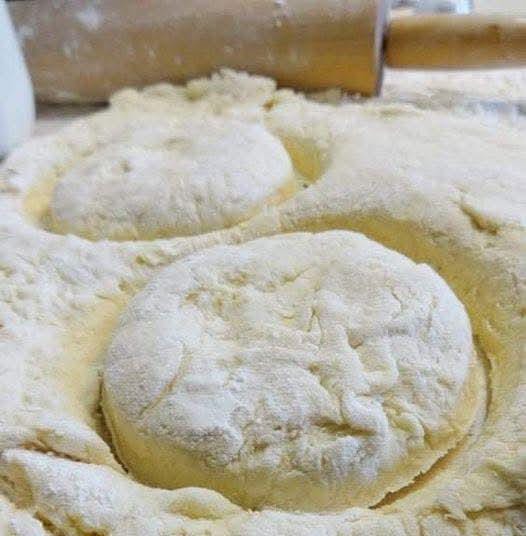
Turn the dough onto a lightly floured surface and gently pat it to ½–¾ inch thickness. Using a floured biscuit cutter or glass, cut out rounds, pressing straight down without twisting. This preserves the layered structure. Re-roll scraps for additional biscuits.
Step 6: Bake
Arrange biscuits on the prepared sheet so they just touch or are slightly apart. Bake for 12–15 minutes, or until golden brown. Brush tops with melted butter for extra richness.
Advanced Tips for Flaky, Tender Biscuits
- Keep butter and milk cold to prevent premature melting.
- Do not overwork the dough; minimal handling keeps biscuits light.
- Use buttermilk instead of milk for tender, flavorful biscuits.
- Press cutters straight down for tall, layered biscuits instead of twisting.
- Resting the dough for 10–15 minutes before baking can enhance rise.
- For extra layers, fold the dough like a rough puff pastry before cutting biscuits.
Serving Suggestions
- Serve warm with butter, honey, or jam for breakfast.
- Pair with gravies, fried chicken, or soups for dinner.
- Make strawberry shortcakes with fresh berries and whipped cream.
- Offer at brunch alongside eggs, bacon, or breakfast casseroles.
Variations on Classic Butter Biscuits
- Cheese Biscuits: Add ½ cup shredded cheddar to the dough for savory flavor.
- Herb Biscuits: Fold in 1–2 tbsp chopped fresh herbs like rosemary, thyme, or chives.
- Sweet Cinnamon Biscuits: Sprinkle cinnamon sugar on top before baking.
- Whole Wheat Biscuits: Replace half the flour with whole wheat for nuttier flavor and fiber.
- Garlic Butter Biscuits: Mix 1 tsp garlic powder into the butter for savory dinner biscuits.
Frequently Asked Questions (FAQ)
Can I make the dough ahead of time?
Yes. Store the dough in the refrigerator for up to 24 hours, then cut and bake. Cold dough often yields taller, flakier biscuits.
Can I freeze biscuits?
Yes. Shape and freeze biscuits on a tray, then transfer to freezer bags. Bake from frozen, adding a few extra minutes to baking time.
Why aren’t my biscuits rising?
Ensure your baking powder is fresh, butter is cold, and dough isn’t overworked. Twisting cutters or pressing too hard can also reduce rise.
Can I use a food processor?
Yes, but pulse quickly to avoid over-processing. Stop when pea-sized butter pieces remain.
History and Culinary Context of Butter Biscuits
Butter biscuits trace their origins to Southern American kitchens, influenced by European scones and quick breads. Traditionally, they were made by hand with lard or butter, often baked alongside morning meals. Over time, the technique evolved to use baking powder for consistent rise, and today, butter biscuits are a beloved staple across the United States and beyond. They embody comfort, simplicity, and versatility, making them a timeless culinary treasure.
Biscuits also hold cultural significance, often featured in holiday meals, Sunday brunches, and family gatherings. The method of cutting butter into flour is a foundational technique in pastry and bread-making, teaching essential principles of texture and flakiness.
Conclusion
Butter Biscuits are more than just a side—they are a symbol of home, warmth, and indulgence. By following this comprehensive guide, you can create biscuits that are golden, flaky, and buttery, delighting anyone lucky enough to taste them. From classic breakfasts to sophisticated dinner accompaniments, these biscuits are endlessly versatile, approachable, and utterly delicious. Take the time to master the technique, experiment with variations, and enjoy the ultimate homemade butter biscuit experience.