
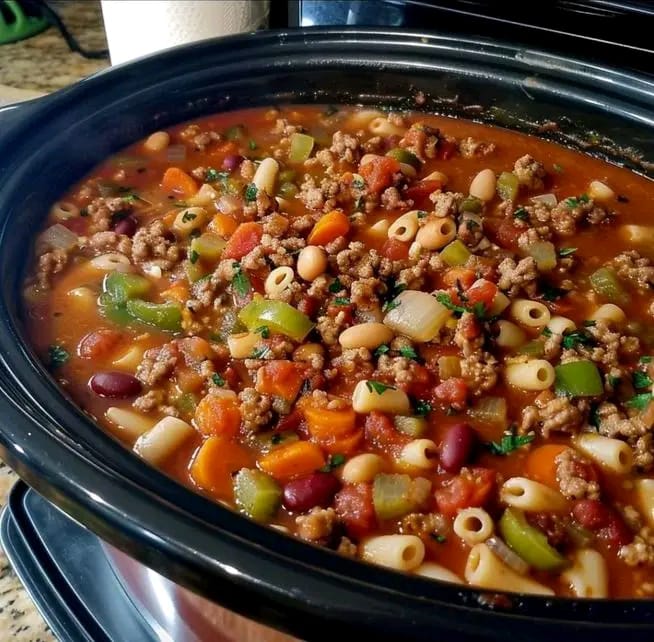
Copycat Pasta Fagioli Soup: Authentic Italian Comfort in a Bowl
Pasta Fagioli, which literally means “pasta and beans,” is a beloved Italian soup known for its comforting warmth, hearty ingredients, and incredible depth of flavor. This copycat version brings all the authentic tastes of Italy straight to your kitchen. Each ingredient has been carefully chosen not only for its flavor contribution but also for the texture, aroma, and overall harmony of the dish. Whether you’re making it for a weeknight dinner or a special gathering, this soup will delight and satisfy everyone at the table.
Ingredients and Their Importance
- 2 celery stalks, chopped: Celery provides a subtle sweetness and an aromatic foundation. In Italian cooking, celery is part of the soffritto—the trio of celery, carrots, and onions—which creates a base rich in flavor for soups and sauces.
- 1 onion, chopped: Onion adds natural sweetness and savory depth. Cooking until translucent develops complex flavors without overpowering the delicate notes of the beans and pasta.
- 2 medium tomatoes, peeled and chopped: Fresh tomatoes bring acidity to balance the creaminess of the beans and the richness of the broth. They also provide vibrant color, making the soup visually appealing.
- 1 can cannellini beans, with liquid: Cannellini beans contribute heartiness and a creamy texture. The liquid from the can adds body and helps thicken the soup naturally while infusing subtle bean flavor.
- 2 cloves garlic, minced: Garlic infuses the soup with aromatic warmth and depth. It’s essential for a classic Italian flavor profile.
- 1 carrot, peeled and diced: Carrots provide sweetness, color, and nutrition. They soften beautifully in the broth and complement the beans perfectly.
- 4 cups chicken or vegetable broth: The broth forms the savory liquid foundation for the soup. Low-sodium broth allows you to control seasoning precisely.
- 1 teaspoon dried oregano: Oregano adds herbal complexity and a traditional Italian flavor that ties the vegetables and beans together.
- 1 teaspoon dried basil: Basil adds a subtle, sweet, aromatic note that enhances the freshness of the tomatoes and complements the herbs in the soffritto.
- 1 cup small pasta (such as ditalini or elbow macaroni): Pasta adds body and makes the soup filling. Ditalini pasta is traditional, but any small pasta that holds up in soup works.
- Salt and pepper, to taste: Proper seasoning enhances all flavors and ensures the soup is perfectly balanced. Taste and adjust gradually.
- Optional garnish – freshly grated Parmesan cheese and chopped parsley: Adds richness, aroma, and visual appeal. It’s the perfect finishing touch for presentation and flavor.
Step-by-Step Instructions
Step 1: Prepare the Aromatic Base
Heat 2 tablespoons of olive oil in a large pot over medium heat. Add the chopped onions, celery, and carrots. Sauté for 5–7 minutes, stirring occasionally, until the vegetables are soft and fragrant. This soffritto forms the foundation for the soup, building a rich, aromatic base that infuses every bite with flavor.
Step 2: Add Garlic and Tomatoes
Stir in the minced garlic and cook for another 30 seconds, just until fragrant. Add the peeled, chopped tomatoes and cook for 3–5 minutes until they begin to break down. This releases their natural juices and ensures the soup develops a deep, robust flavor.
Step 3: Incorporate the Beans and Broth
Add the cannellini beans along with their liquid to the pot. Pour in 4 cups of chicken or vegetable broth. Stir to combine. Bring the mixture to a gentle boil, then reduce heat to low and simmer for 10–15 minutes. This step allows the flavors to meld and the soup to thicken naturally.
Step 4: Season with Herbs
Add the dried oregano, dried basil, salt, and black pepper. Stir well and continue to simmer. The herbs infuse their aroma into the broth, creating a balanced and fragrant base that enhances the overall complexity of the soup.
Step 5: Cook the Pasta
In a separate pot, cook the pasta according to package directions until al dente. Drain and set aside. Adding cooked pasta prevents it from overcooking and becoming mushy when mixed with the soup later.
Step 6: Combine Pasta and Soup
Once the vegetables, beans, and broth are fully cooked, stir in the cooked pasta. Simmer for an additional 2–3 minutes, allowing the pasta to absorb the soup’s flavor. Adjust seasoning with additional salt and pepper as needed.
Pro Tips for the Perfect Pasta Fagioli Soup
- For extra creaminess, mash a few of the beans against the side of the pot before adding pasta.
- Use homemade broth for superior depth of flavor.
- Don’t skip peeling the tomatoes; it gives a smoother texture.
- Simmer gently—high heat can make the beans break down too much and create a mushy consistency.
- For a vegan version, substitute vegetable broth and omit any cheese garnish.
- Serve fresh—while the soup reheats well, pasta can absorb too much liquid over time, so add a splash of broth when warming leftovers.
Serving Suggestions
Serve your Pasta Fagioli soup in deep bowls with a sprinkle of freshly grated Parmesan cheese and chopped parsley on top. Accompany with crusty Italian bread or garlic bread for dipping. Pair with a light salad for a complete meal. This hearty soup is perfect for chilly evenings, family gatherings, or even as a starter for a full Italian dinner.
Why This Copycat Version Stands Out
This recipe captures the heart and soul of traditional Italian Pasta Fagioli while making it accessible for home cooks. The careful balance of aromatic vegetables, creamy beans, flavorful herbs, and perfectly cooked pasta ensures every spoonful is a comforting, satisfying experience. Its flexibility allows for easy adaptation to dietary preferences without compromising authenticity or flavor.
Continuing our exploration of the beloved Italian classic, this next segment delves into the subtle techniques and ingredient harmonies that elevate Pasta Fagioli from a simple bean soup to a restaurant-quality masterpiece. While the previous steps established the aromatic base and early simmering of beans and vegetables, here we focus on flavor enhancement, perfect pasta integration, and creating the iconic balanced texture that defines this dish.
Enhancing the Broth
After your beans, tomatoes, and soffritto have melded together for about 10–15 minutes, the soup develops a foundational richness. At this stage, it’s important to taste the broth. Adjusting salt and pepper gradually ensures that each component—from the sweetness of carrots to the slight acidity of tomatoes—contributes harmoniously. Some cooks add a splash of extra virgin olive oil at this stage, which imparts silkiness and deepens the overall mouthfeel.
The Role of Herbs and Aromatics
While dried oregano and basil provide a backbone of flavor, incorporating fresh herbs can elevate the soup further. Fresh thyme or a sprig of rosemary can be added during simmering for subtle herbal complexity. Remember to remove woody stems before serving. The key is layering flavors, rather than overwhelming the dish. The garlic and onion we sautéed earlier continue to release aroma, infusing the broth without requiring additional fat.
Pasta: Timing and Technique
Cooking pasta separately remains essential. Small shapes like ditalini, elbow macaroni, or small shells absorb just enough liquid without becoming mushy. When combining with the soup, ensure the pasta is al dente; it will continue to absorb flavors from the broth, but maintaining structure is crucial for an ideal texture. For added authenticity, a pinch of salt in the pasta water echoes the seasoning in the soup itself, unifying the final taste.
Incorporating Beans and Achieving Creaminess
A signature characteristic of Pasta Fagioli is the slightly creamy consistency achieved without heavy cream. This is done by mashing a portion of the beans against the side of the pot with a spoon or potato masher. The natural starches released during mashing subtly thicken the broth, producing a comforting, velvety texture. It’s an old Italian trick that gives the soup body without any added dairy or roux.
Layering Flavors with Optional Vegetables
To further enrich the dish, additional vegetables like diced zucchini or green beans can be introduced during the simmering process. Each vegetable contributes color, texture, and subtle sweetness that complements the beans and pasta. For seniors or those seeking softer textures, vegetables can be finely diced or lightly steamed before adding to the soup. This ensures they cook evenly without compromising the tender consistency of the dish.
Balancing Acidity and Sweetness
Tomatoes, whether fresh or canned, add acidity that brightens the soup. However, if the soup tastes too sharp, a pinch of sugar can harmonize the acidity. Alternatively, a small drizzle of balsamic vinegar can introduce a rich, nuanced flavor that deepens the profile without overpowering other ingredients. This delicate balance is what transforms Pasta Fagioli into a layered, unforgettable soup.
Advanced Seasoning Tips
- Consider adding a dash of smoked paprika for warmth and subtle complexity.
- Freshly ground black pepper enhances aromatics better than pre-ground.
- Sea salt or kosher salt provides a cleaner flavor and enhances the natural sweetness of carrots and onions.
- For a little heat, a pinch of crushed red pepper flakes can be stirred in near the end of cooking.
Garnishing and Presentation
Presentation is key to making the soup as visually appealing as it is delicious. Serve in deep bowls, topped with freshly grated Parmesan cheese, a drizzle of olive oil, and a sprinkle of chopped fresh parsley. Crusty bread, focaccia, or garlic rolls make excellent accompaniments, allowing diners to soak up the flavorful broth. For extra flair, a few whole cannellini beans can be placed on top of each serving as a visual cue of the hearty beans within.
Storage and Reheating
Pasta Fagioli stores well in airtight containers for 2–3 days in the refrigerator. Because the pasta absorbs liquid over time, it’s often best to store the pasta separately if you anticipate leftovers. When reheating, add a splash of broth or water to restore the perfect consistency. Reheat gently on the stovetop over medium-low heat to avoid breaking down the beans and vegetables too much.
Why This Recipe Captures the Italian Essence
This version of Pasta Fagioli balances tradition with home-friendly preparation. The layering of soffritto, beans, fresh tomatoes, aromatic herbs, and perfectly cooked pasta mirrors classic Italian techniques while being approachable for cooks of all levels. The careful attention to timing, mashing some beans for creaminess, and precise seasoning ensures a flavorful, comforting bowl that feels authentic yet easy enough for weeknight dinners.
Copycat Pasta Fagioli Soup: Mastering the Rich, Layered Flavors
As we continue perfecting our Copycat Pasta Fagioli, it’s essential to understand how each cooking step develops the final taste. By this stage, your soup has a strong aromatic base, beans softened just right, and pasta either ready to combine or already partially infused with the broth. Now, the focus shifts to finishing techniques, subtle seasoning adjustments, and flavor layering that brings a comforting, full-bodied experience to every spoonful.
Deepening Flavor with Slow Simmering
Simmering the soup slowly allows the flavors to marry. As the soup rests over low heat, the beans release more of their natural starches, naturally thickening the broth. The tomatoes continue to meld with the aromatics and herbs, while any additional vegetables added earlier absorb flavors, resulting in a harmonious taste throughout. Avoid boiling, as this can break down the pasta and make the beans mushy, diminishing the elegant texture we aim for.
Incorporating Beans for Texture and Creaminess
While most of the beans are left whole, mashing a portion against the side of the pot is a traditional technique that adds subtle creaminess to the soup without heavy cream or dairy. This technique ensures that the soup maintains its heartiness, while still being silky enough to coat the spoon and carry the flavors evenly. Seniors or younger children may appreciate the slightly smoother consistency, while still experiencing whole beans for texture.
Advanced Seasoning and Balancing Acidity
Now is the perfect moment to taste and refine the seasoning. Salt, black pepper, and a dash of freshly grated nutmeg or paprika can enhance the depth of flavor. If the tomatoes taste too sharp, a pinch of sugar balances acidity naturally. A squeeze of lemon juice at the very end brightens the soup, creating a flavor that’s fresh, lively, and balanced without overpowering the base ingredients.
Integrating Pasta Perfectly
If you have cooked the pasta separately, gently fold it into the soup now. For the ultimate bite, ensure that the pasta is slightly undercooked before combining; it will absorb the savory broth and finish cooking in the soup. This step allows every bite to be cohesive, with pasta carrying both the bean flavors and the rich tomato-herb base. Stir carefully to avoid breaking the pasta or crushing the whole beans.
Optional Protein Enhancements
While traditional Pasta Fagioli relies solely on beans, you can enhance the soup with small amounts of Italian sausage, pancetta, or even shredded chicken. Cook these proteins separately and stir them in near the end of simmering to add an extra dimension of flavor. This option is perfect for those looking for a heartier meal, while still respecting the original Italian-inspired profile.
Final Herb and Garnish Touches
Fresh herbs added at the end create a bright, aromatic finish. Parsley, fresh basil, or thyme can be sprinkled generously before serving. For an authentic Italian touch, grated Parmesan cheese adds salty richness, while a drizzle of high-quality olive oil enhances the mouthfeel. Garnishing not only improves presentation but also elevates the first bite, giving that inviting aroma even before tasting.
Serving Suggestions for Maximum Comfort
Serve the soup hot in deep bowls for a cozy presentation. Accompany with warm, crusty bread, focaccia, or garlic rolls for dipping into the flavorful broth. A side salad with vinaigrette balances the richness, while roasted vegetables can be a complementary dish. This approach transforms Pasta Fagioli into a complete meal suitable for weeknight dinners, family gatherings, or even holiday spreads.
Storage and Reheating
Leftovers can be stored in airtight containers for up to three days in the refrigerator. Because the pasta continues to absorb liquid over time, consider storing it separately and combining before reheating. Reheat gently on the stovetop with a splash of broth to restore the ideal consistency. This method preserves the texture of the beans, pasta, and vegetables while maintaining the full depth of flavor.
Why This Version Stands Out
This Copycat Pasta Fagioli recipe captures the essence of Italian comfort cooking while remaining accessible to home cooks. By layering aromatics, controlling pasta cooking, and balancing acidity, it delivers a rich, satisfying soup that feels traditional yet modern. It’s hearty enough for lunch or dinner and versatile enough to adjust to dietary needs or personal tastes.
As we approach the final stages of preparing our Copycat Pasta Fagioli, attention shifts to layering flavors, finishing touches, and presentation. Every ingredient added, every step taken, contributes to a rich, hearty soup that warms both body and soul. The following guidance will help elevate this traditional Italian soup to a restaurant-quality level, while keeping it approachable for home cooks.
Incorporating Aromatics for Depth
Even after the primary vegetables and beans have cooked, adding a few aromatics at the end can bring brightness and complexity. Freshly minced garlic, finely chopped onions, or even a pinch of fennel seeds can lift the soup without overpowering it. These subtle additions layer over the already simmered flavors, enhancing the richness of the broth and creating a multi-dimensional profile that engages the palate.
Enhancing Bean Flavor and Texture
If the beans were cooked separately or canned, adding a small amount of their cooking liquid can boost flavor intensity. For home cooks using canned beans, rinse and drain them before adding, then allow a gentle simmer with the broth to allow absorption of spices and aromatics. Some chefs lightly mash a portion of beans against the side of the pot to thicken the soup naturally while keeping other beans intact for contrast in texture.
Perfecting the Pasta Integration
Timing is crucial when adding pasta. Whether using small shapes like ditalini, penne, or elbows, slightly undercook the pasta before combining with the soup. This ensures it finishes cooking in the flavorful broth, absorbing flavors while maintaining its shape. Overcooked pasta can turn mushy and dilute the soup’s texture, while undercooked pasta preserves bite and integrity.
Balancing Acidity and Sweetness
Tomatoes naturally introduce acidity, which can become sharp if not balanced. A pinch of sugar, a drizzle of high-quality olive oil, or a squeeze of fresh lemon juice at the end can smooth and brighten the flavors. These small adjustments ensure a well-rounded soup that has both depth and lift. Taste frequently during this stage to fine-tune the balance of savory, sweet, and acidic notes.
Adding Fresh Herbs and Garnishes
Fresh herbs added just before serving provide visual appeal and aromatic freshness. Parsley, basil, and oregano are traditional options, while thyme or rosemary can add an unexpected, nuanced layer. Grated Parmesan or Pecorino Romano cheese sprinkled on top introduces umami and richness, while a drizzle of extra virgin olive oil enhances mouthfeel and provides a glossy finish. For a pop of color, diced red bell pepper or sun-dried tomato pieces can also be sprinkled on top.
Optional Protein Variations
While classic Pasta Fagioli is vegetarian, proteins like cooked Italian sausage, pancetta, shredded chicken, or even small shrimp can be incorporated for heartier options. Cook the protein separately and fold it in during the last 5–10 minutes of cooking to prevent overcooking and maintain texture. This flexibility allows the recipe to adapt for family meals, dinner parties, or a more substantial main course.
Serving and Presentation Tips
Serve the soup hot in deep bowls to maintain warmth. Accompany with crusty bread, garlic rolls, or a light salad for a complete meal. Portion garnishes individually so guests can adjust to their preference. For family-style serving, present the soup in a large decorative pot and offer small plates of Parmesan and fresh herbs alongside for personalization. This elevates both taste and visual appeal.
Storage and Reheating Guidance
Leftovers can be stored in airtight containers in the refrigerator for up to three days. To avoid soggy pasta, store it separately if possible, and combine just before reheating. Reheat gently on the stovetop with a splash of broth or water to restore consistency. Freezing is possible, though pasta may change texture; consider removing pasta prior to freezing and adding freshly cooked pasta upon reheating.
Why This Copycat Recipe Excels
This version of Pasta Fagioli combines traditional Italian flavors with accessible cooking techniques. The result is a soup with hearty beans, perfectly cooked pasta, layered aromatics, and a well-balanced broth. By paying attention to timing, seasoning, and finishing touches, this recipe achieves a depth of flavor often found in high-end Italian restaurants, yet remains simple and comforting for home cooks
As we approach the last steps of preparing the Copycat Pasta Fagioli Soup, the focus shifts to perfecting flavor, enhancing texture, and presenting the dish in a way that impresses at the table. This stage is critical because it is where all your careful cooking comes together into a harmonious, comforting, and utterly satisfying soup experience.
Layering Final Seasonings
At this point, it’s important to taste your soup carefully and adjust seasoning. Freshly cracked black pepper can brighten the earthy notes of the beans and vegetables. A pinch of sea salt may be needed if your broth or canned ingredients were low in sodium. For extra depth, consider a dash of smoked paprika or a hint of crushed red pepper flakes to give subtle warmth without overpowering the classic Italian profile.
Adding Fresh Herbs for Aroma
Herbs are a finishing touch that elevate the visual appeal and aromatic complexity of the soup. Chopped fresh parsley, basil, or oregano can be sprinkled just before serving. Their bright green color contrasts beautifully with the creamy white beans and rich tomato broth, creating a visually inviting dish. Additionally, herbs release essential oils that enhance the perception of freshness in each bite, giving your soup a restaurant-quality aroma.
Incorporating Optional Garnishes
For added texture and flavor, consider finishing with toppings such as freshly grated Parmesan cheese, a drizzle of extra virgin olive oil, or even toasted pine nuts. Each garnish contributes a unique element—cheese adds savory umami, olive oil provides richness and smoothness, and nuts introduce a satisfying crunch. Garnishes allow each diner to customize their serving, making the soup feel personal and indulgent.
Serving Techniques
Presentation can transform even a humble soup into an impressive meal. Serve in deep bowls to retain heat and encourage generous spoonfuls. Pair with crusty bread, garlic rolls, or a fresh side salad to complement the heartiness of the soup. When hosting a family-style dinner, place the soup in a large, decorative pot on the table with small plates of garnishes nearby. This creates an interactive dining experience that engages guests and enhances enjoyment.
Maintaining Pasta Texture
One common challenge with pasta soups is preventing the pasta from becoming mushy. If you anticipate leftovers, cook the pasta separately and store it apart from the soup. Combine only when reheating for immediate serving. This approach ensures that the pasta remains firm and al dente, maintaining the intended texture of the dish and preventing it from turning into a thick, stodgy stew.
Storage and Reheating
Copycat Pasta Fagioli Soup can be stored in airtight containers in the refrigerator for 2–3 days. To reheat, place the soup in a saucepan over medium heat, stirring occasionally, and add a splash of chicken or vegetable broth to restore consistency. Avoid using a microwave for reheating if possible, as it can cause uneven heating. For longer storage, freeze the soup without pasta and add freshly cooked pasta after thawing for optimal texture.
Flavor Enhancement Tips
To deepen the flavor of your soup, consider simmering a Parmesan rind in the broth while cooking. It imparts subtle umami richness. Adding a splash of high-quality olive oil or a few drops of lemon juice just before serving can lift the flavors and balance the richness. These small adjustments make a dramatic difference and give your Copycat Pasta Fagioli an elevated, professional-quality taste.
Why This Recipe Works
This Copycat Pasta Fagioli Soup stands out because it combines simplicity with layered, authentic flavors. Careful attention to ingredient quality, pasta timing, seasoning adjustments, and garnishes ensures every spoonful is satisfying. The recipe is adaptable for family meals, casual dinners, or even entertaining, providing a comforting, hearty, and visually appealing dish that delights every palate.
Conclusion: A Classic Made Perfect
By following these steps, you can create a Copycat Pasta Fagioli Soup that honors the traditional Italian flavors while offering modern refinements for texture, presentation, and taste. Every element—from aromatic vegetables and perfectly cooked pasta to the final herb garnish—works together to deliver a soup that is hearty, flavorful, and comforting. Serve it hot, share it with loved ones, and enjoy the satisfaction of a dish that embodies warmth, nostalgia, and culinary expertise.